For Indian travellers, one of the biggest hurdles while planning an international holiday is the visa process. Lengthy paperwork, embassy appointments, financial documentation, and long waiting periods can often make spontaneous travel difficult. That is why countries offering Visa on Arrival (VoA) facilities remain especially attractive for Indian passport holders.
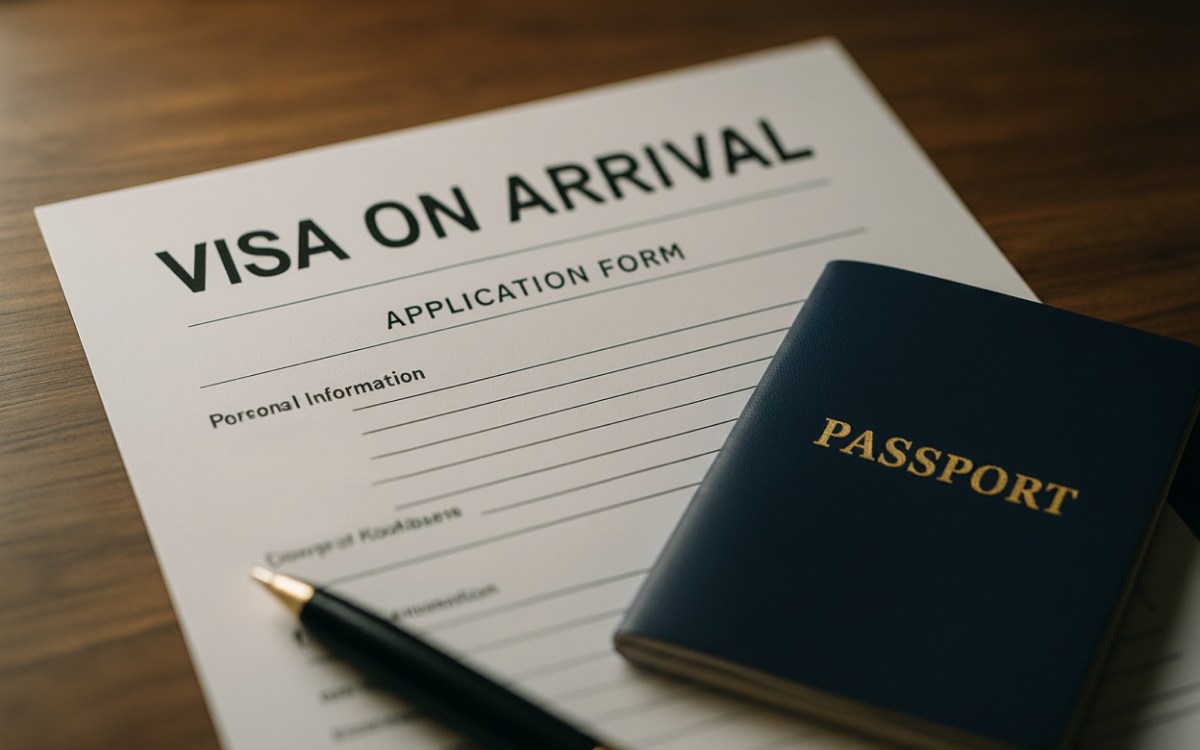
A Visa on Arrival allows travellers to enter a country first and complete the visa formalities at the airport or border checkpoint instead of applying weeks in advance. In most cases, the process is straightforward, quicker, and far less stressful than traditional visa applications.
Across Asia, Africa, and island nations, several countries have made travel easier for Indians by offering visa-on-arrival access. These destinations not only reduce planning complexity but also open doors to diverse cultures, landscapes, and experiences.
One of the most fascinating destinations in this list is Iran. With its rich Persian heritage, grand architecture, and deeply rooted cultural traditions, Iran offers Indian travellers a unique West Asian experience. Its capital, Tehran, stands out as a vibrant blend of history and modernity—home to opulent palaces, bustling bazaars, art museums, and scenic mountain backdrops.
Here are 10 countries where Indians can enjoy visa-on-arrival access and plan relatively hassle-free international trips.
1. Iran
Iran is an underrated gem for Indian travellers seeking culture, history, and architecture beyond typical tourist circuits. Tehran, the capital city, is a compelling starting point.
The city is home to landmarks such as the Golestan Palace, Sa’dabad Complex, and the National Museum of Iran. The Grand Bazaar of Tehran offers a glimpse into everyday life, with carpets, spices, jewellery, and handicrafts filling its labyrinthine lanes. Cafés, galleries, and bookstores reflect a modern, youthful side of the city.
Beyond Tehran, Iran unfolds into a country of extraordinary heritage. Isfahan is known for its stunning Naqsh-e Jahan Square and intricate mosques, Shiraz for its poetry, gardens, and proximity to Persepolis, and Yazd for its mud-brick architecture and desert charm.
For Indian travellers interested in history, architecture, and immersive cultural experiences, Iran offers far more depth than conventional tourist destinations.
2. Thailand
Thailand remains one of the most accessible and well-rounded destinations for Indian tourists.
Bangkok combines shopping malls, floating markets, rooftop bars, and ornate temples like Wat Arun and Wat Phra Kaew. Phuket and Krabi offer beach resorts, island hopping, and water sports, while Chiang Mai provides a quieter experience with mountains, temples, and night markets.
Thai cuisine, ranging from street food to fine dining, is another major draw. Combined with affordable accommodation and efficient transport, Thailand works well for both budget travellers and luxury seekers.
3. Maldives
The Maldives is synonymous with luxury, but it is increasingly accessible to a wider range of Indian travellers.
Apart from high-end private island resorts, there are now guesthouses on local islands that offer more budget-friendly stays. Activities such as snorkelling, scuba diving, dolphin watching, and sunset cruises are central to the Maldivian experience.
Its proximity to India makes it ideal for short breaks, while the simplicity of visa-on-arrival entry ensures minimal pre-trip stress.
4. Indonesia
Indonesia offers a mix of natural beauty, spirituality, and vibrant tourism culture.
Bali is the most popular destination, known for its temples like Tanah Lot and Uluwatu, rice terraces in Ubud, beach clubs in Seminyak, and surfing in Canggu. Wellness retreats, yoga centres, and café culture have also made Bali popular among long-stay travellers.
Elsewhere, destinations like Lombok, Komodo Island, and Yogyakarta offer quieter, less commercialised experiences, including volcano treks and ancient temples like Borobudur.
5. Sri Lanka
Sri Lanka’s biggest strength lies in its diversity within a small geographic area.
Travellers can explore colonial architecture in Galle, wildlife safaris in Yala National Park, tea plantations in Nuwara Eliya, and beaches in Bentota or Mirissa—all within a few hours of travel.
The country’s Buddhist heritage sites, including Kandy’s Temple of the Tooth, add a spiritual dimension. Food, culture, and climate similarities make Sri Lanka especially comfortable for Indian tourists.
6. Mauritius
Mauritius combines natural beauty with cultural familiarity.
Visitors can explore beaches, waterfalls, and national parks such as Black River Gorges, or enjoy water activities like snorkelling and parasailing. The island also has a strong Indian influence, reflected in cuisine, festivals, and even language.
For Indian travellers, Mauritius offers a mix of relaxation and cultural comfort, making it particularly suitable for family holidays and destination weddings.
7. Nepal
Nepal offers a unique blend of spirituality and adventure.
Kathmandu’s Durbar Square, Pashupatinath Temple, and Swayambhunath Stupa provide cultural depth, while Pokhara offers lakeside relaxation and views of the Annapurna range. Trekking routes such as Everest Base Camp and Annapurna Circuit attract adventure enthusiasts.
Its affordability and ease of travel make Nepal one of the most practical international destinations for Indians.
8. Bhutan
Bhutan stands out for its focus on sustainability and controlled tourism.
Paro’s Tiger’s Nest Monastery, perched on a cliffside, is one of the country’s most iconic sights. Thimphu, the capital, blends traditional culture with modern governance.
Bhutan’s emphasis on Gross National Happiness and preservation of culture creates a travel experience that feels calm, intentional, and less commercialised than most destinations.
9. Cambodia
Cambodia is best known for Angkor Wat, but it offers much more.
The Angkor temple complex includes Angkor Thom and Ta Prohm, where tree roots intertwine with ancient stone structures. Phnom Penh offers insight into Cambodia’s history, along with riverside cafés and markets.
The country is relatively affordable, making it a good addition to Southeast Asian travel itineraries.
10. Laos
Laos is ideal for travellers looking for slower, less crowded experiences.
Luang Prabang, a UNESCO World Heritage Site, is known for its monasteries, French colonial buildings, and alms-giving ceremonies. Kuang Si waterfalls and the Mekong River add natural beauty to the experience.
Vang Vieng offers limestone landscapes and adventure activities, while the overall pace of life in Laos remains relaxed and unhurried.
Why Visa-on-Arrival Destinations Matter
Visa-on-arrival access simplifies international travel significantly. While documentation such as passports, hotel bookings, and return tickets is still required, the absence of pre-approval processes allows for greater flexibility.
For Indian travellers, this means easier planning, fewer delays, and the ability to take spontaneous trips without navigating complex embassy procedures.
Destinations like Iran, especially Tehran, highlight how visa-on-arrival policies can open up culturally rich yet previously inaccessible regions. Whether it is exploring Persian palaces, relaxing on island beaches, or discovering Southeast Asia’s temples, these countries make global travel far more accessible.
For those looking to expand their travel horizons beyond conventional routes, visa-on-arrival destinations offer the perfect starting point.