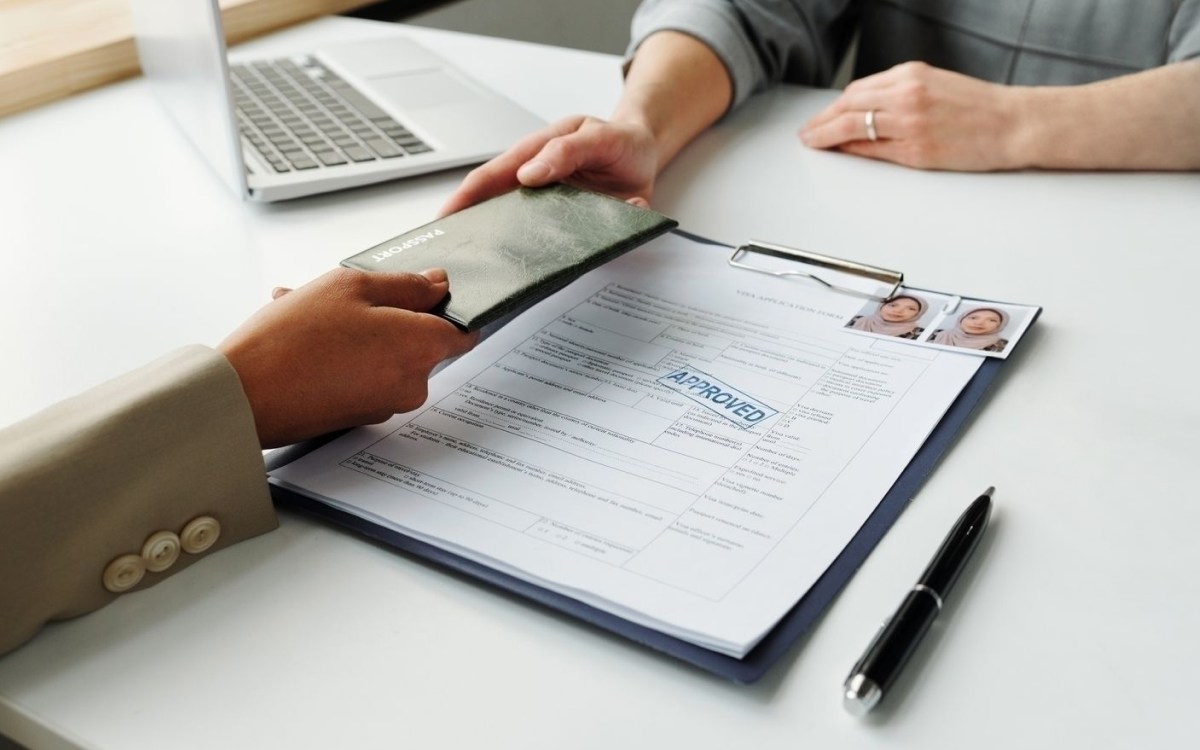
Applying for a passport often feels exciting until the police verification stage appears on the checklist. For many people, this part of the process sounds stressful simply because they are unsure about what actually happens during verification. In reality, the procedure is usually straightforward when documents and personal details are kept ready in advance. Whether you live in Mumbai, Hyderabad, Chennai, or smaller cities like Meerut and Solapur, the process is generally similar. Once you know what to expect, the entire experience can feel far smoother and less confusing.
Why Police Verification Is Part of the Process
A passport works as an important identity and travel document, so verification is usually carried out to confirm that the details provided in the application are accurate. During this process, local authorities generally check residential information, identity proof, and basic background details connected to the applicant. The purpose is mainly to confirm that the address mentioned in the application matches the applicant’s current place of residence. Whether applications are submitted from Bombay, Bangalore, Jaipur, or Kolkata, the overall procedure is usually handled through the local police station linked to the residential address provided during application.
How Verification Is Usually Initiated
Once the application process moves forward, verification requests are generally sent to the police station connected to your address. Applicants may receive updates through text messages, email notifications, or online tracking systems. In many cases, police officers either schedule a visit or ask applicants to visit the local station with the required documents.
Across cities like Ahmedabad, Thane, Kanpur, and Faridabad, procedures may vary slightly depending on local administration systems, but the basic purpose remains the same. Keeping your phone active and checking application updates regularly usually helps avoid unnecessary delays.
Documents Commonly Requested During Verification
Preparing documents in advance can make the verification process feel much easier. Officers generally ask for originals along with photocopies during the visit or appointment. The most commonly requested documents include address proof, identity proof, and supporting papers linked to the application. Utility bills, rental agreements, Aadhaar cards, voter identification cards, and bank statements are often used depending on the address mentioned.
Applicants from cities like Nasik, Baroda, Indore, and Bhopal are usually advised to ensure that names and addresses remain consistent across all documents. Small mismatches in spelling or incomplete details can sometimes create avoidable delays. Photographs may also be requested in certain situations, so keeping a few extra copies ready is generally helpful.
What Happens During the Home Visit
For many applicants, the home visit becomes the most talked-about part of the verification process. In reality, the interaction is usually brief and straightforward. Police officers generally visit the residential address mentioned in the application to confirm that the applicant lives there. Basic questions related to occupation, identity, and residence duration may be asked during the interaction.
Neighbours or building staff may occasionally be asked to confirm residency details as part of the routine process. Across places like Kalyan, Aurangabad, Howrah, and Jabalpur, these visits are generally completed within a short time when documents are already organised. Being available at the address during the expected verification period usually helps the process move smoothly.
Situations That May Cause Delays
Verification delays are commonly linked to incomplete information or document mismatches rather than major issues. Incorrect spelling in names, old addresses, missing paperwork, or inactive phone numbers can sometimes slow down processing. Applicants who recently shifted homes may also face additional checks if address proof has not been updated properly.
In cities with larger populations like Mumbai, Hyderabad, Chennai, and Bangalore, processing timelines may occasionally feel longer due to higher application volumes. Delays can also happen when applicants are unavailable during scheduled visits or fail to respond to verification calls from local authorities.
Address Proof Becomes Extremely Important
Residential verification forms a major part of the process, which is why address proof usually receives close attention during checks. Applicants staying in rented homes are often asked to provide rental agreements, utility bills, or supporting letters from property owners. Those living with family members may sometimes need additional documents linking them to the household address.
Across locations like Allahabad, Agra, Ghaziabad, and Pimprichinchwad, applicants are generally encouraged to ensure that all submitted documents carry matching residential details. Even small inconsistencies between documents can sometimes lead to additional clarification requests.
Verification for Students and Working Professionals
The process may feel slightly different depending on living arrangements and employment situations. Students staying in hostels or educational accommodation are usually asked for supporting documents from institutions, along with temporary address proof. Working professionals living in rented apartments may need tenancy agreements and employer-related identification during checks.
Applicants relocating between cities such as Vishakhapatnam, Faridabad, Thane, and Kolkata are generally expected to keep both permanent and temporary address records organised before applying. Keeping employment and contact details updated also helps authorities complete verification more smoothly.
International Travel Plans and Verification
Many applicants begin the process because of work, education, family visits, or tourism plans abroad. Since a passport acts as the primary international travel document, verification becomes an important administrative step before approval. Travellers planning journeys to destinations such as Tehran or other international cities are usually advised to complete documentation carefully to avoid travel disruptions later. Verification checks are generally completed faster when application details remain accurate and supporting documents are submitted clearly from the beginning.
Tips That Can Make the Process Simpler
Preparation usually makes the biggest difference during police verification. A few simple steps can help the entire process feel far smoother and less stressful:
– Keep photocopies and original documents ready before the verification process begins.
– Check that names, addresses, and personal details match across all submitted documents.
– Ensure contact numbers remain active throughout the verification period.
– Inform family members or housemates about possible verification visits from local authorities.
– Stay available at the registered address during the expected verification window whenever possible.
– Organise address proof documents carefully, especially if you live in rented accommodation.
– Respond promptly to calls or messages related to the passport verification process.
– Applicants from cities like Amritsar, Solapur, Meerut, and Jaipur usually experience smoother verification when paperwork is prepared in advance.
Police verification for a passport may sound intimidating at first, but the process is generally straightforward when documents and personal details are prepared properly. From address confirmation and identity checks to routine home visits, most steps are carried out simply to verify application accuracy. Whether you apply from Bombay, Ahmedabad, Hyderabad, or Howrah, staying organised usually helps the process move faster with fewer complications. Once you know what to expect, the entire verification stage often feels far less stressful and much easier to handle.