Some cities wear their character in their architecture. Others reveal it through celebration. Across the subcontinent, a handful of cities undergo a remarkable transformation when festivals arrive — streets defined by the rhythm of daily commerce shift into open-air stages of colour, music, and tradition. These are not passive backdrops to celebration; they become it. From grand processions to centuries-old rituals, these cities offer something no travel brochure can fully capture: a living cultural experience.
When a City Becomes the Festival
Not every city celebrates in the same way. Some host events as structured occasions — organised performances, curated exhibitions, and managed public gatherings. Others absorb festivals into their very identity, to the point where the city itself becomes unrecognisable in the most extraordinary sense. The distinction lies in how deeply a celebration is woven into the urban fabric. In cities where festivals are central to civic identity, the effects are widespread: transportation is reorganised, public spaces are redesigned temporarily, commerce adapts, and entire communities move in deliberate, joyful unison. Local businesses align their calendars accordingly, artisans prepare for months, and city administration coordinates across departments to keep order without diminishing the spirit of things. This transformation speaks to something essential about how culture functions — not as a display, but as a genuine collective act.
Kolkata: Where Art and Devotion Share the Street
Few cities in the world parallel what Kolkata achieves during Durga Puja. The event — a multi-day celebration honouring the goddess Durga — redefines the city’s public landscape almost entirely. Elaborate temporary structures called pandals rise across neighbourhoods, each one a unique artistic installation crafted by skilled artisans. Some take months to build, drawing on themes as varied as architecture from different parts of the world, environmental concerns, or abstract sculptural ideas. The streets fill with processions, music, food stalls, and visitors who travel considerable distances to take part. What sustains the energy beyond the event itself is the participatory culture around it — people debate the artistry of different pandals, traverse the city on foot through the night, and engage with neighbours they might not encounter at any other time of year. Equally significant is Poila Baisakh, the Bengali New Year, marked by traditional songs, colourful dress, and communal feasting. Kolkata does not simply host these events; it lives them.
Hyderabad and Ahmedabad: Two Cities, One Festival Spirit
Certain celebrations transcend geography, finding vibrant expression in cities hundreds of kilometres apart while retaining their essential character. Hyderabad comes alive most visibly during Eid al-Fitr and Bonalu, a local festival honouring the goddess Mahakali that draws enormous participation across the city’s older quarters. Processions move through the streets with music and offerings, creating an atmosphere that is at once solemn and celebratory. The older parts of the city, including the area around the Charminar, take on a particularly vivid quality during these occasions, with street food, decoration, and communal energy converging in the narrow lanes.
Ahmedabad, meanwhile, transforms during Navratri into what many regard as one of the most visually arresting nine-night events on the regional cultural calendar. The Garba and Dandiya Raas dance forms — deeply rooted in the culture of western Gujarat — fill open grounds, community spaces, and dedicated venues each evening. The energy sustains across all nine nights, drawing participants of all ages and reflecting the profound communal investment the city places in its traditions.
Chennai and the Classical Arts That Define a Season
Music and dance form the backbone of Chennai’s most celebrated cultural period — the annual Music Season. Spanning several weeks, this tradition draws classical performers and audiences from across the country and beyond. The Carnatic music concerts, Bharatanatyam performances, and lectures that fill the city’s sabhas — traditional cultural halls — represent one of the most concentrated gatherings of classical arts anywhere in the world.
What makes Chennai’s festival culture particularly noteworthy is its civic engagement. Audiences are not passive observers; they are knowledgeable, participatory, and deeply enthusiastic. Discussions about performances extend into restaurants, homes, and public transport. The season functions as both an artistic event and a social ritual, reinforcing Chennai’s identity as a city where classical culture remains genuinely alive rather than preserved behind glass. Beyond this flagship season, Pongal festivities bring colour, traditional kolam patterns on thresholds, and a distinctive warmth to public life across the city’s many neighbourhoods.
Nashik and the Extraordinary Scale of Sacred Gatherings
Few events in the world approach the scale of the Kumbh Mela held at Nashik, known locally as the Nashik-Trimbakeshwar Kumbh Mela. Staged on the banks of the Godavari River, this event transforms the city into a temporary settlement of extraordinary proportions. Pilgrims, sadhus, and visitors converge in numbers that are difficult to fully comprehend, yet the event is managed through a combination of civic coordination and long-established ritual practice that reflects centuries of accumulated tradition.
For city planners and local authorities, such gatherings present both remarkable challenges and significant opportunities. Infrastructure is scaled up temporarily, accommodation expands across the city, and the local economy sees a concentrated period of activity. Vendors, service providers, and traders from surrounding regions all participate in this temporary ecosystem. Beyond the logistical dimension, the Kumbh at Nashik serves a purpose that many urban events do not: it makes the sacred accessible at scale, creating a shared experience that is simultaneously personal and collective.
Jaipur, Varanasi, and Jaisalmer: Festivals as Urban Identity
Across different regions, certain cities have made festivals so integral to their identity that the two become inseparable. Jaipur’s Teej Festival transforms the Rajasthani capital into a procession of traditional dress, song, and devotion, honouring both the monsoon season and the goddess Parvati. The city’s distinctive rose-hued architecture provides a backdrop so recognisable that the festival’s imagery has travelled well beyond its borders.
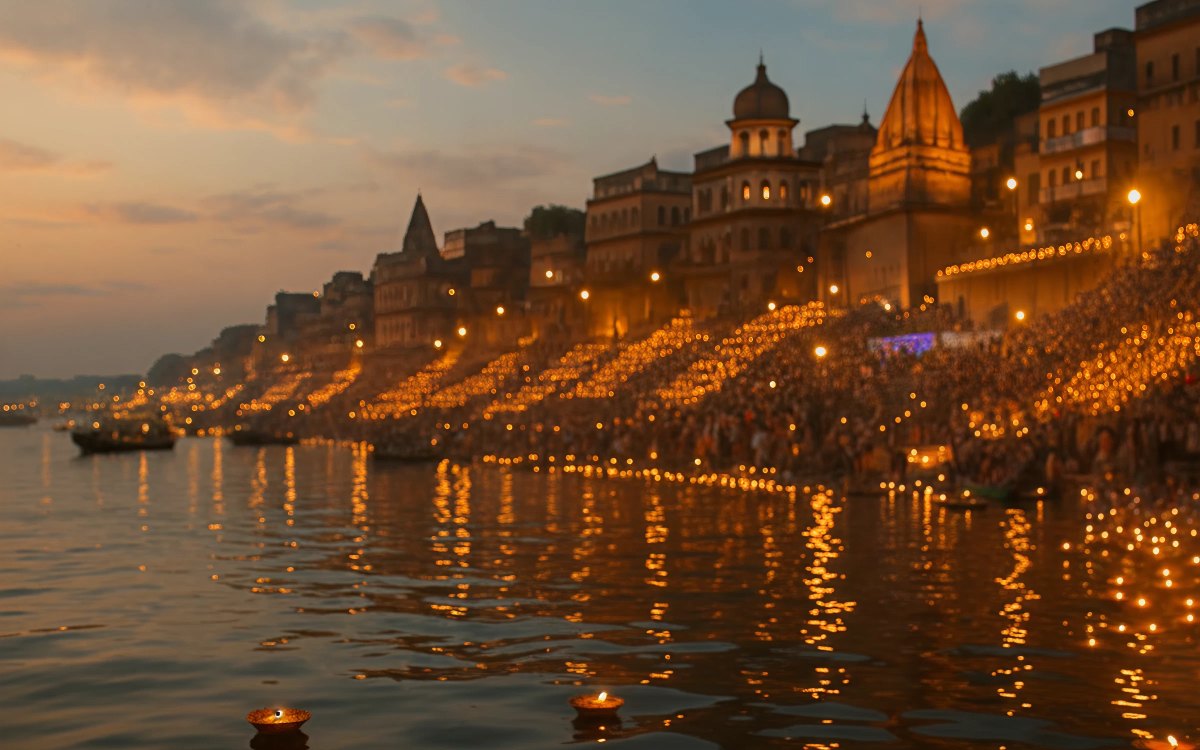
Varanasi holds a singular place in the festival landscape. Dev Deepawali — a celebration that covers the ghats of the Ganges in thousands of oil lamps — is experienced as both a sensory and spiritual event, drawing visitors from across the globe. Its power lies not in spectacle alone, but in the connection it forges between the ancient city and the present moment.
In Jaisalmer, the Desert Festival brings Rajasthani cultural heritage to the fore through camel races, folk performances, and traditional craftsmanship, all set against the stark grandeur of the Thar Desert. Each of these cities demonstrates how a festival, over time, becomes more than an annual event — it becomes a reason the city is celebrated beyond its borders.
The Broader Role of Festivals in Urban Life
The transformation cities experience during festivals carries significant implications beyond culture alone. Well-managed celebrations draw visitors, stimulate trade, and create temporary employment. They also place real demands on infrastructure: traffic management, sanitation, public safety, and healthcare services all require careful coordination among multiple agencies and departments.
For local and national authorities, festivals represent an opportunity to demonstrate civic capability alongside cultural richness. Cities that successfully integrate large-scale events into their annual planning cycle tend to benefit from enhanced reputations, sustained tourism interest, and stronger community cohesion. The relationship between effective administration and vibrant cultural life is not coincidental — it is, in many cases, deliberately cultivated.
Mumbai’s Ganesh Chaturthi, Mysuru’s Dasara, and the Pushkar Fair in Rajasthan are further examples of urban and town-level celebrations where careful coordination has contributed to lasting national and international recognition. The economic and cultural benefits of such events, when managed responsibly and inclusively, extend well beyond the celebration itself. The lesson across all these cities is consistent: when culture is treated as a civic priority, its impact reaches far beyond the last day of any festival.