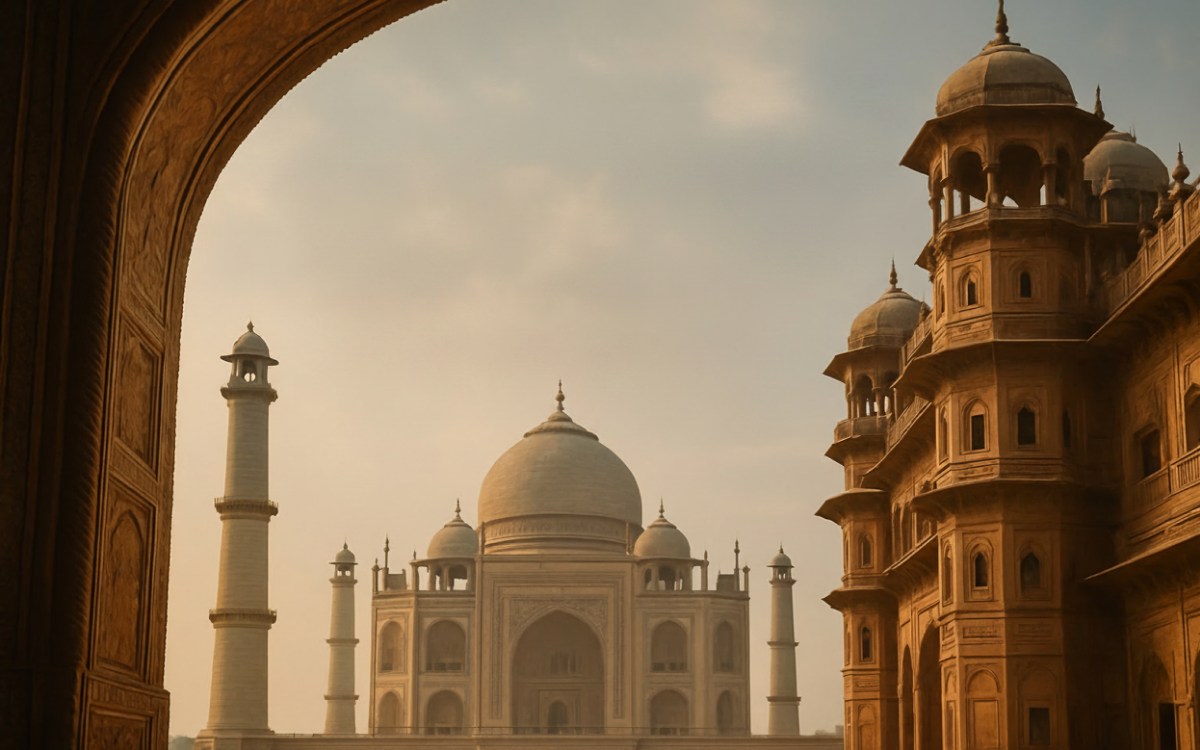
India boasts a wealth of structural marvels that reflect centuries of creative brilliance and engineering prowess. From the intricate carvings of ancient temples to the majestic domes of royal mausoleums, these landmarks tell stories of a diverse cultural heritage. Exploring these sites offers a profound insight into the artistic evolution of the region. Here, we examine the architectural splendour of several historic cities, providing a detailed guide to the monuments that define their unique urban landscapes.
Timeless Elegance of Agra
When discussing grand architecture, Agra often emerges as the primary point of interest. This city served as a significant seat of power for centuries, resulting in a landscape dotted with white marble and red sandstone masterpieces. The most famous of these structures stands as a testament to symmetry and delicate craftsmanship. Its white marble facade, inlaid with semi-precious stones, glows differently depending on the time of day, offering a visual experience that remains unmatched in the modern world.
Beyond the central mausoleum, the city is home to a massive fortress that showcases a blend of various regional styles. The high walls and intricately designed palaces within this complex provide a glimpse into the lifestyle of past rulers. The use of double domes and arched gateways highlights the technical sophistication of the era. Visitors can spend hours wandering through the courtyards, noting the transition from robust defensive structures to the refined, ornate chambers that reflect a deep appreciation for aesthetics and comfort.
Rock-Cut Wonders of Aurangabad
Moving towards the Deccan plateau, Aurangabad presents a different facet of architectural genius. The city is the gateway to some of the most impressive rock-cut excavations globally. These sites, carved directly into the basalt cliffs, represent a monumental effort that spanned several centuries. The patience required to chisel out entire temples and monasteries from a single mountain face is truly staggering. Each cave serves as a gallery of ancient art, featuring sculptures that depict various deities and mythological narratives with exceptional fluidity.
The most prominent structure in this region is a monolithic temple dedicated to Lord Shiva. Unlike traditional buildings that are constructed from the ground up, this marvel was carved from the top down. The precision needed to plan such a massive excavation without the aid of modern machinery is a subject of great fascination for historians and engineers alike. Additionally, the city features a replica of the famous Agra mausoleum, which, while smaller in scale, demonstrates how architectural motifs travelled and were adapted across different geographical regions of the country.
Intricate Heritage of Ahmedabad
Ahmedabad, a city recognised for its historical significance, offers a unique blend of diverse architectural traditions. The old city is a labyrinth of narrow lanes known as pols, where wooden houses with carved facades showcase a community-centric way of living. The gateways and mosques of the city are renowned for their intricate stone latticework, or jaali. These screens allow light and air to filter through while maintaining privacy and providing a cooling effect, showing an early understanding of sustainable design principles.
The stepwells of this region are another architectural highlight. These subterranean structures were built to provide a reliable water source in an arid climate. However, they were more than just functional utilities; they were artistic spaces adorned with pillars and sculptures. Descending into a stepwell reveals a world of geometric precision and cool temperatures, illustrating how ancient architects integrated utility with beauty. The city continues to be a hub for design, bridging the gap between historical craftsmanship and contemporary urban planning.
Royal Grandeur of Hyderabad
Hyderabad is a city where the past and the present coexist in a vibrant display of culture and stone. The most iconic landmark of the city is a four-arched structure that stands at the heart of the old town. Its imposing minarets and elegant arches have become a symbol of the region’s identity. The surrounding markets and streets hum with life, much like they have for hundreds of years. The use of lime mortar and granite in these structures ensures their longevity, allowing them to withstand the passage of time with grace.
A short distance from the city centre lies a formidable hill fortress. This granite stronghold was once the capital of a powerful kingdom and is famous for its acoustic marvels and ingenious water supply systems. The ruins of the palaces and barracks within the fort provide a narrative of military strategy and royal luxury. The nearby royal tombs, with their bulbous domes and granite platforms, offer a serene contrast to the ruggedness of the fort. These structures reflect a distinct regional style that blends various influences into a cohesive architectural language.
Pink Hues of Jaipur
Jaipur is another essential stop on a journey through the region’s grand architecture. Known for its distinct colour palette, the city was one of the earliest planned urban centres in the subcontinent. The layout follows a grid system, which was quite revolutionary for its time. The most famous palace in the city features an extraordinary facade with hundreds of small windows and balconies. This design allowed royal ladies to observe street festivities without being seen, while also ensuring that the building remained cool through a natural ventilation system.
The city also houses an ancient astronomical observatory, which is home to the world’s largest stone sundial. These instruments, made of stone and mortar, are still used to predict celestial movements with incredible accuracy. The geometric shapes of the observatory contrast with the ornate palaces, showing a side of architecture that is rooted in science and logic. Exploring this city reveals a deep respect for tradition, coupled with a forward-thinking approach to city building and social organisation.
Engineering Marvels and Cultural Preservation
The preservation of these monumental landscapes is a task that involves both modern technology and traditional knowledge. Maintaining structures that are hundreds of years old requires constant care to protect them from environmental factors and the impact of modern urbanisation. It is heartening to see how these sites continue to inspire new generations of architects and designers. They serve as a bridge to the past, reminding us of the technical skills and artistic visions that have shaped our surroundings.
The diversity of styles found in Agra, Aurangabad, Ahmedabad, and Hyderabad is a reflection of a long history of cultural exchange and innovation. Whether it is the use of white marble, the carving of basalt cliffs, or the planning of stone cities, each technique was a response to the local climate and available materials. These sites are not just relics of the past but living landmarks that continue to play a role in the social and cultural life of the people. They offer a sense of continuity and pride that is central to the identity of the region.
For any traveller or student of history, visiting these cities is an educational experience. It is an opportunity to witness firsthand the scale of human ambition and the beauty of meticulous craftsmanship. As we move forward, the lessons learned from these ancient builders regarding sustainability, aesthetics, and communal living remain more relevant than ever. These monumental landscapes are truly the grandest manifestations of a heritage that is as vast as it is beautiful.