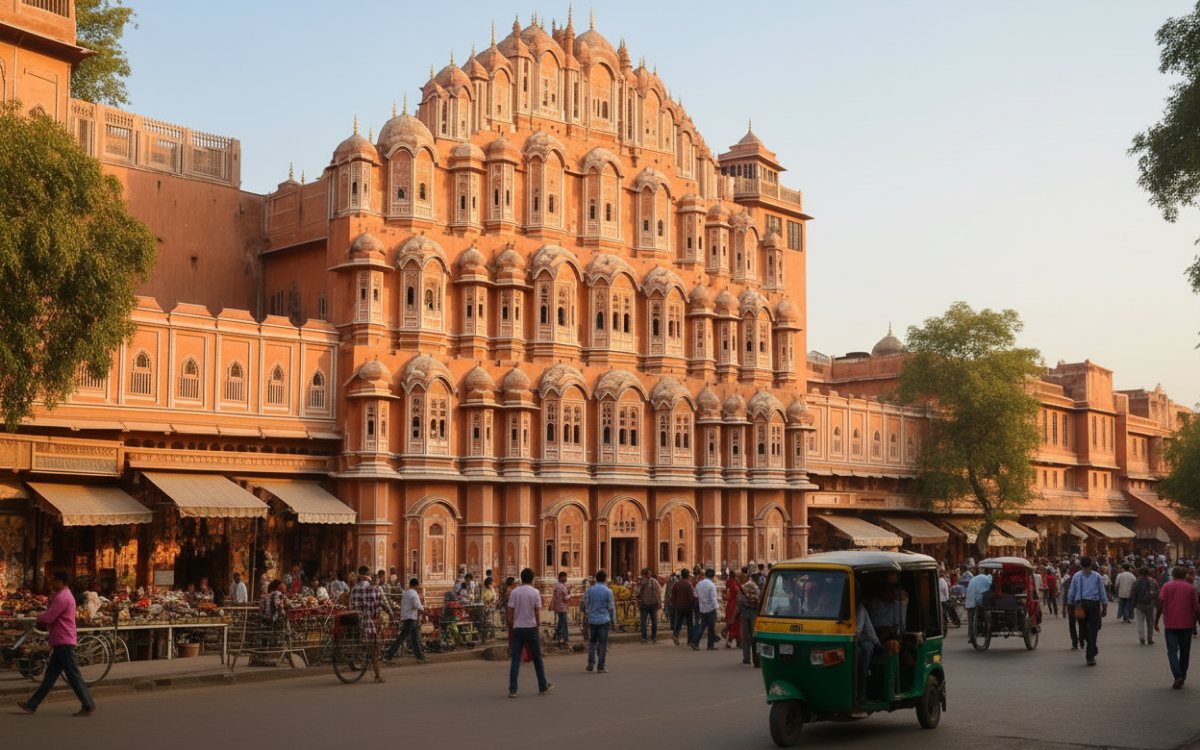
There is something genuinely satisfying about shopping in a place that has been doing it for centuries. Old markets carry a different energy — narrow lanes, vendors who know their trade inside out, smells from food stalls mixing with incense and fresh fabric. These are spaces where commerce and community happen together. No algorithm curates what you find here. The experience is entirely your own, shaped by what you notice, who you speak to, and what catches your eye.
When History Stays Open for Business: Chandni Chowk, Delhi
Few markets in the country carry as much history as Chandni Chowk. Built during the Mughal period, it remains one of the most active wholesale and retail destinations across categories — spices, textiles, jewellery, electronics, books, and wedding wear all occupy their own dedicated lanes. Each gully specialises in something different, which means a single afternoon can take you from a street stacked with paper goods to one devoted entirely to silver. The crowds are real, but so is the reward. For anyone with a genuine interest in how trade has evolved while still keeping its roots, this place is a living document.
Leather, Labour, and a Lasting Craft Tradition: Kanpur
Kanpur built its identity on industry, and leather is at its heart. The city’s markets around Naveen Market and the older commercial quarters carry goods that speak directly to this manufacturing heritage — leather bags, footwear, belts, and accessories at prices that reflect the source. Beyond leather, Kanpur has a strong presence in textiles and readymade garments. The street shopping here is practical rather than decorative, which gives it an honesty that more polished retail spaces tend to lack. Local shoppers know exactly what they are looking for, and the markets are built around that directness.
Pearls, Perfume, and Centuries of Trade: Hyderabad
Hyderabad’s Laad Bazaar, located near the Charminar, is one of the most photographed markets in the country — and it earns the attention. Bangles are the headline item here, stacked in glass cases in thousands of colours and styles, but the surrounding lanes carry much more: attar (traditional perfume), pearl jewellery, embroidered fabrics, and lacquerware. The older part of the city has preserved a distinct market culture that reflects its layered past. Even a slow walk through the bazaar conveys something of the trading traditions that have shaped this city over centuries. The craftsmanship on display is not theatrical — it is genuinely functional and rooted in everyday use.
Cotton, Conversation, and a City That Moves at Its Own Pace: Kolkata
New Market in Kolkata has been a fixture of city life for well over a century. It is one of those rare spaces that are both chaotic and navigable. Clothes, shoes, bags, spices, flowers, meat, cheese — the variety under one roof is almost absurd. But what makes it special is the atmosphere. Vendors are forthcoming, negotiations are friendly, and the energy is distinctly local. Beyond New Market, areas like Gariahat and Burrabazar offer different flavours of the same spirit: markets that are part of the city’s social fabric, not just its commercial infrastructure. Kolkata’s street shopping feels like participation, not just a transaction.
Where Silk and Street Food Share the Same Lane: Kanchipuram and Chennai
Chennai’s T. Nagar is one of the busiest retail districts in the country, particularly for silk sarees and gold jewellery. The streets are tightly packed with shops and vendors, and the pedestrian density on weekends is remarkable. What holds it together is the specificity — this is not general shopping; it is shopping with intention, and the market is structured around that. A short drive away, Kanchipuram adds another layer with its handloom weavers and saree shops that have been operating across generations. Both places represent a textile culture that remains very much alive. For anyone interested in traditional weaves, the range available is genuinely hard to find anywhere else.
Sporting Goods and Surprisingly Good Street Food: Meerut
Meerut is not typically listed alongside the country’s great shopping destinations, but it holds its own in specific categories. The city is one of the largest producers of sporting goods — cricket equipment, gym gear, and athletics supplies — and its local markets reflect this specialisation. If sporting equipment is on the list, buying closer to the source makes both practical and economic sense. Beyond that, Meerut’s older commercial areas carry the character of a market town that has been doing business for a very long time — deliberate, familiar, and unhurried. The street food scene, meanwhile, is a strong secondary reason to explore the bazaars at a leisurely pace.
What Makes These Markets Worth the Visit
Old markets share a few qualities that newer retail formats have not been able to replicate. The concentration of specialists in one place is one. In a dedicated lane for, say, brassware or block-printed cloth, you are surrounded by people who have spent their working lives on that one thing. The depth of knowledge available — about materials, about quality, about what is worth the price — is simply not present in a generic department store.
Alongside that, the social aspect of these markets is meaningful. They attract a cross-section of the city, from seasoned buyers who visit every week to first-timers navigating new terrain. The interaction is part of what makes the experience different from clicking through an online catalogue. This aspect of these locations makes it great for people who seek a human connection.
There is also the question of what gets preserved when these markets thrive. Crafts, weaves, and trades that might otherwise disappear find a continued market here. The demand that keeps a Kanpur leather artisan working, or sustains a Hyderabad bangle maker, or supports a Kolkata saree merchant, flows directly from people choosing to shop in these spaces. Street markets are not relics competing against modern retail — they are living systems that adapt, absorb, and continue. That is a value worth recognising, even if it is not always the reason someone heads out to browse.