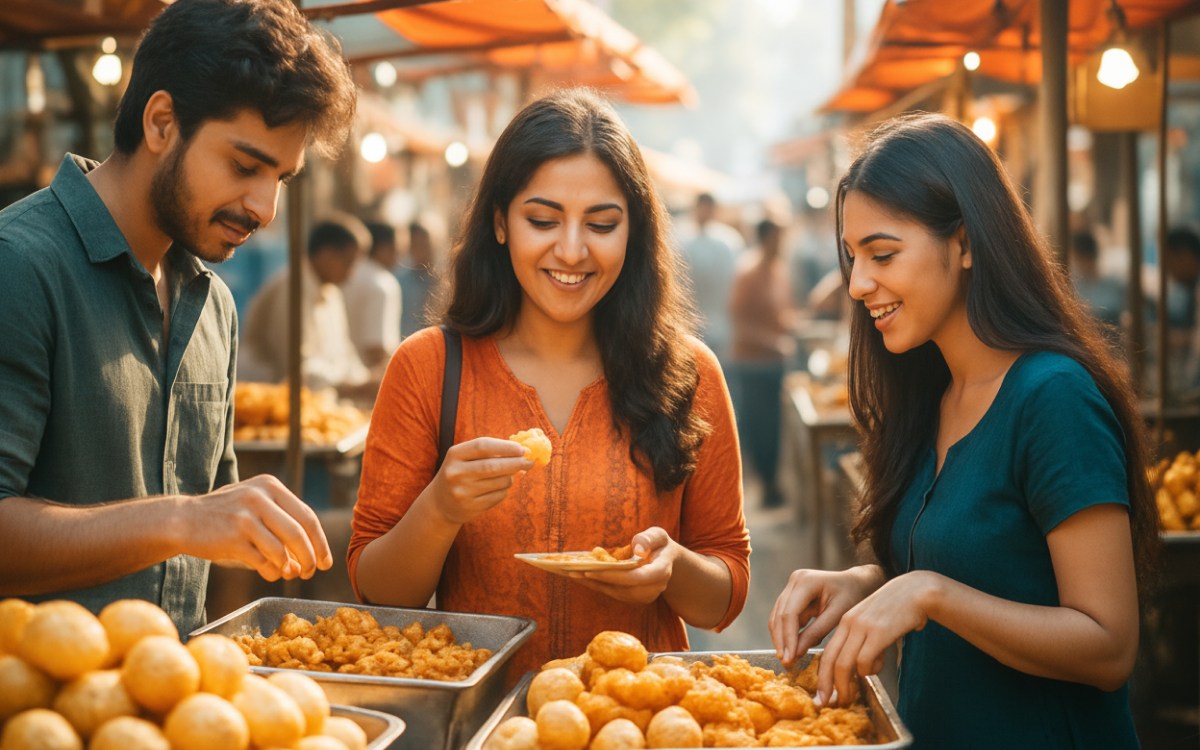
Food traditions often reveal how communities preserve memory, geography, trade, and everyday habits through cooking. Across the subcontinent, several cities have become recognised for dishes that reflect local ingredients, migration patterns, and long-standing culinary practices. From rich street snacks to carefully prepared festive meals, each destination contributes something distinctive to the wider food landscape. Examining these urban centres offers insight into how cuisine continues to influence travel, hospitality, and cultural identity in familiar and evolving ways.
Heritage on a Plate
In Hyderabad, culinary identity is closely linked with layered flavours, slow cooking methods, and strong market traditions. The city remains widely associated with biryani, haleem, and fragrant rice dishes prepared with spices, herbs, and tender meat. Local cafés also play a major role in daily food culture, particularly through tea-serving customs and baked snacks shared during social gatherings. Alongside celebrated dishes, neighbourhood eateries continue preserving recipes that reflect influences from royal kitchens, trade routes, and regional farming communities.
Street Food and Sweet Traditions
Bustling food lanes make Kolkata one of the most recognisable culinary destinations in the region. Vendors across the city prepare kathi rolls, puchka, fish curries, and sweets that have become closely tied to local identity. Dining habits there often combine affordability with variety, allowing residents and visitors to experience elaborate flavours through compact meals and handheld snacks. Confectionery shops also remain central to community celebrations, with syrup-based desserts and milk sweets continuing to shape the city’s culinary reputation.
Markets that Celebrate Regional Flavours
Few cities demonstrate the relationship between commerce and cuisine as clearly as Ahmedabad. Traditional markets and family-run food businesses contribute to a dining culture known for balanced flavours and extensive vegetarian offerings. Dhokla, fafda, thepla, and farsan are commonly enjoyed throughout the day, often alongside chutneys and lightly spiced accompaniments. Evening food streets become gathering points where residents sample snacks in a relaxed setting. Culinary practices in the city also highlight resourceful cooking methods shaped by climate, local produce, and community dining customs.
Everyday Dining with Local Character
Known for organised food markets and strong breakfast traditions, Indore has built a reputation around accessible yet distinctive cuisine. Popular areas serve poha, jalebi, savoury chaats, and grilled snacks, attracting large crowds throughout the day. Many dishes are prepared quickly without losing depth of flavour, reflecting the city’s efficient street-food culture. Shared eating spaces remain especially important, as families and workers regularly gather at stalls and cafés where recipes are passed between generations while adapting to changing consumer tastes.
Culinary Identity Rooted in Community Meals
Religious gatherings and hospitality customs strongly influence food culture in Amritsar. The city is recognised for rich breads, lentil dishes, tandoori cooking, and large communal meals served in spiritual and social spaces. Restaurants and roadside eateries frequently emphasise generous portions and freshly prepared ingredients, creating an atmosphere closely associated with warmth and collective dining. Dairy products, clarified butter, and robust spice combinations remain important features of local cuisine, while long-standing cooking techniques continue shaping the broader culinary identity of the region.
Coastal Influences and Seafood Specialities
Located along the western coastline, Mumbai reflects culinary diversity through its blend of regional dishes, migrant influences, and a fast-moving street food culture. Seafood preparations, vada pav, pav bhaji, and grilled snacks are widely available across neighbourhood restaurants and market areas. Compact dining spaces, late-night eateries, and roadside vendors contribute to a food environment that rarely slows down. The city’s culinary identity also reflects continuous movement, with recipes from multiple communities blending into everyday meals consumed by residents from varied backgrounds.
Spice Blends and Traditional Kitchens
In Chennai, food culture is shaped by rice-based dishes, seafood preparations, and carefully balanced spice combinations. Idli, dosa, sambar, and filter coffee remain central to everyday dining habits, while banana-leaf meals continue holding ceremonial importance. Many local establishments specialise in recipes prepared through methods that prioritise consistency and freshness rather than elaborate presentation. Distinct cooking styles from surrounding coastal and inland communities also contribute to the city’s culinary identity, strengthening its role as an important centre for traditional southern cuisine.
Blending Heritage with Contemporary Dining
Historic neighbourhoods and evolving restaurant districts give Lucknow a culinary profile built on refinement and technique. Kebabs, slow-cooked curries, breads, and aromatic rice dishes reflect traditions associated with detailed preparation and carefully layered flavours. At the same time, modern cafés and smaller eateries have introduced lighter meals and contemporary interpretations of familiar recipes. Culinary culture in the city, therefore, balances preservation with adaptation, allowing traditional cooking methods to remain visible while accommodating changing dining preferences among younger urban populations.
Layered Cuisine in Historic Neighbourhoods
Food traditions in Delhi reflect centuries of migration, trade activity, and community interaction. Markets and restaurant districts across the city serve kebabs, stuffed breads, chaat, slow-cooked curries, and sweets associated with both festive occasions and everyday dining. Street vendors remain particularly significant because they provide accessible meals while preserving recipes linked with older neighbourhoods. Culinary culture there also benefits from diversity, as households and businesses from different regions contribute ingredients and cooking styles that continue expanding the city’s already varied food landscape.
Royal Recipes and Regional Ingredients
Distinct culinary customs have helped Jaipur maintain a strong food identity centred on spice-rich preparations and durable cooking techniques. Local dishes frequently rely on lentils, gram flour, clarified butter, and preserved ingredients suited to dry climatic conditions. Restaurants and family kitchens prepare dal baati churma, kachori, and traditional sweets that remain closely connected with regional celebrations and hospitality practices. Decorative presentation, balanced spice blends, and slow preparation methods also contribute to a dining culture where culinary heritage remains visible in both household meals and commercial food spaces.
Cuisine as a Marker of Urban Identity
Across these culinary centres, food serves purposes that extend beyond nourishment alone. Recipes frequently reflect local geography, trading links, religious customs, and occupational routines that have shaped everyday urban life over generations. Markets, cafés, roadside stalls, and family-run establishments all contribute to preserving regional character while accommodating modern dining expectations. The continued popularity of traditional dishes alongside newer interpretations demonstrates how culinary identity remains flexible without losing its connection to long-standing community practices and shared cultural experiences. Culinary tourism also benefits from this diversity, since travellers often associate particular cities with signature dishes and distinctive dining rituals. Public markets, transport hubs, and commercial districts further strengthen these culinary identities by making local food widely accessible. Although ingredients and preparation styles vary considerably from one destination to another, each city demonstrates how cuisine can remain closely tied to memory, routine, and social interaction within rapidly changing urban environments. These traditions continue shaping regional hospitality and commercial food culture.