Planning a trip to Europe often begins with understanding the Schengen visa process. Whether you are travelling for tourism, business meetings, family visits, or short educational programmes, this visa allows you to enter multiple European countries under a single permit. Although the application process may appear complicated at first, proper preparation can make it far more manageable. From collecting the right passport documents to attending biometric appointments, every step matters. If you apply carefully and stay organised, your chances of a smooth approval process improve significantly.
What Is a Schengen Visa?
A Schengen visa is a short-stay visa that allows you to travel across countries within the Schengen Area for up to 90 days during a 180-day period. This visa is commonly used for tourism, business visits, family visits, conferences, cultural programmes, and short training courses. With one visa, you can generally travel across multiple participating European countries without separate border checks between them.
Who Needs a Schengen Visa?
If you hold a passport issued in India, you normally require a Schengen visa before entering participating European countries. You must apply before your travel date and receive approval before departure. The process is handled through embassies, consulates, and authorised visa application centres. Applicants from cities such as Mumbai, Chennai, Bangalore, Hyderabad, Kolkata, Ahmedabad, Jaipur, and Delhi usually have access to nearby visa centres.
Choosing the Correct Embassy
One of the most important steps is deciding where to submit your application.
You should apply through:
- The country where you will spend the most time
- The country of first entry if your stay duration is equal across countries
For example, if you plan to spend most of your holiday in France, you should apply through the French visa system even if you enter Europe through another country.
Main Documents Required
Document preparation is one of the most important parts of the Schengen visa process.
Valid Passport
Your passport must:
- Be valid for at least three months after your planned return
- Contain sufficient blank pages
- Be issued within the last ten years
Damaged or expired passports can result in immediate rejection.
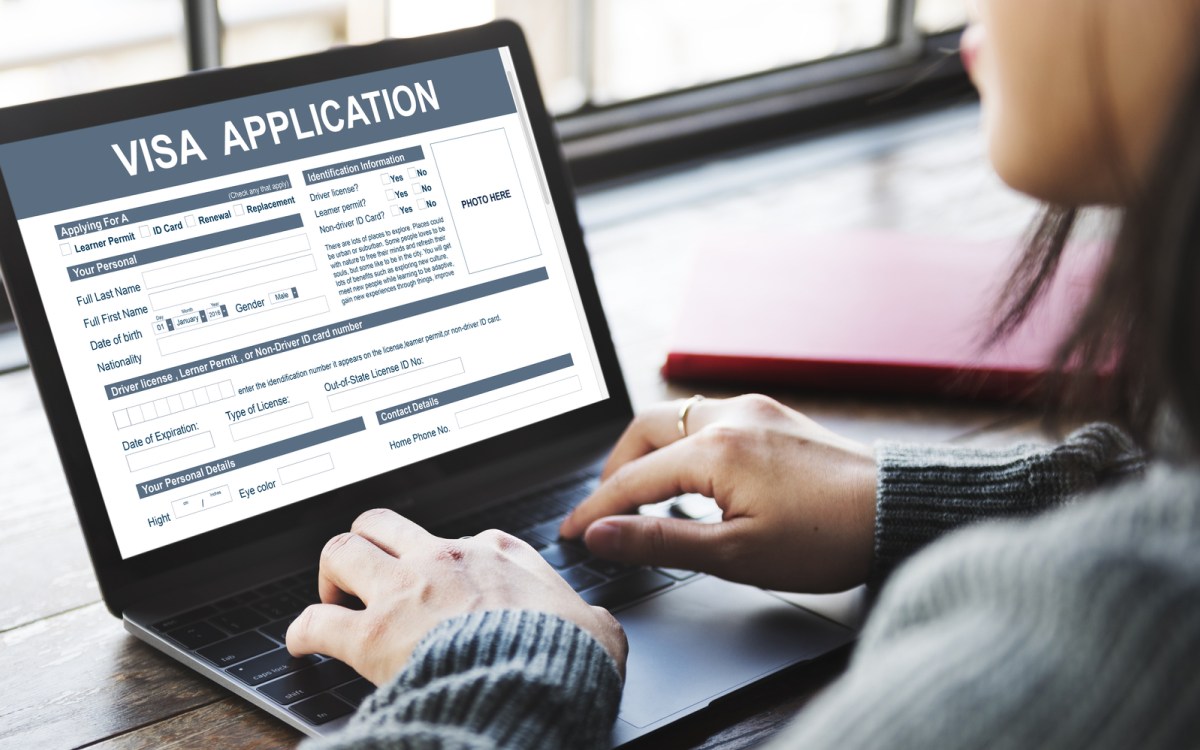
Completed Visa Application Form
You need to complete the official Schengen visa form accurately.
All information should match your passport and supporting documents.
Passport-Sized Photographs
Photographs must meet strict biometric specifications regarding:
- Background colour
- Size
- Facial visibility
Visa centres usually mention exact requirements on their official websites.
Travel Itinerary
You may need to provide:
- Flight reservations
- Hotel bookings
- Internal travel plans
These documents help authorities understand your travel purpose and schedule.
Travel Insurance
Schengen visa applicants must have travel insurance covering medical emergencies and repatriation within the Schengen Area. Insurance must meet the required minimum coverage amount.
Financial Documents
You must show proof that you can support yourself during your trip.
Common documents include:
- Bank statements
- Salary slips
- Income tax returns
- Sponsorship letters if applicable
Employment or Business Proof
Depending on your status, you may submit:
- Employment letters
- Leave approval letters
- Business registration certificates
- Student identity documents
Visa Fees and Additional Charges
Schengen visa fees usually include:
- Standard visa processing fee
- Service charges from visa centres
- Optional courier or SMS charges
Fees can change periodically depending on exchange rates and updated regulations. You should always verify current charges before applying.
Additional expenses may include:
- Travel insurance
- Photograph services
- Document printing
- Translation services if required
Biometric Appointment Process
Most applicants must attend an in-person biometric appointment.
During this process, officials collect:
- Fingerprints
- Digital photographs
- Supporting documents
If you previously submitted biometrics for a Schengen visa within recent years, exemptions may apply in some cases.
Visa centres in cities such as Mumbai, Chennai, Hyderabad, Kolkata, and Ahmedabad often experience heavy demand during holiday seasons, so early appointment booking is advisable.
Processing Timeline
Visa processing times vary depending on:
- Country of application
- Seasonal demand
- Document completeness
- Security verification
In many cases, processing takes around 15 working days for standard applications. However, delays can occur during peak tourism periods or if additional verification is required. Plus, you should ideally apply several weeks before your travel date.
Common Reasons for Visa Rejection
Many applications face rejection because of avoidable mistakes.
Common issues include:
- Incomplete documentation
- Insufficient financial proof
- Inconsistent travel plans
- Invalid insurance coverage
- Suspicious application details
Even small errors can create concerns during evaluation.
Tips to Improve Approval Chances
Keep Your Documents Organised
Arrange all documents clearly according to embassy instructions. Well-organised applications are easier to process and review.
Maintain Consistency
Your application form, passport details, hotel bookings, and bank records should all match accurately.
Show Strong Financial Stability
Authorities want assurance that you can manage expenses during your stay.
Stable financial records improve credibility.
Avoid Fake Reservations
Submitting false hotel or flight bookings can create serious complications. Always use genuine documents.
Explain Your Purpose Clearly
Whether you are travelling for tourism, business, or family visits, your purpose should be easy to understand from your documents.
Role of Travel History
Previous international travel can sometimes strengthen your application profile.
If you have travelled to countries with structured visa systems before, authorities may view your travel history positively.
However, first-time travellers can also receive approvals if documentation is complete and reliable.
Importance of Cover Letters
A cover letter is not always mandatory, but it can help explain your travel plans clearly.
A good cover letter usually includes:
- Purpose of visit
- Travel dates
- Funding details
- Planned itinerary
- Employment or study status
This helps visa officers understand your application better.
Applying From Different Cities
Applicants across the country now have access to multiple visa centres.
Cities commonly handling Schengen applications include:
- Mumbai
- Chennai
- Bangalore
- Hyderabad
- Kolkata
- Ahmedabad
- Jaipur
Applicants from cities such as Ghaziabad, Meerut, Faridabad, Kanpur, Allahabad, Kalyan, Howrah, Solapur, Nasik, Aurangabad, Baroda, Vishakhpatnam, Indore, Agra, Bhopal, Amritsar, and Jabalpur may travel to the nearest visa centre depending on jurisdiction.
Tourism and Schengen Travel
The Schengen visa is especially popular among travellers interested in tourism. Popular activities include visiting historic cities, exploring museums, experiencing local cuisine, attending cultural events, and taking multi-country train journeys. Many travellers choose Schengen destinations because a single visa simplifies movement across multiple countries.
What Happens After Approval?
If your visa is approved, the embassy places a visa sticker inside your passport.
You should verify:
- Name spelling
- Visa validity dates
- Number of entries allowed
Mistakes should be corrected immediately before travel.
What If Your Visa Is Rejected?
A rejection letter usually explains the reason for refusal.
Depending on the situation, you may:
- Reapply with stronger documentation
- Submit additional clarification
- File an appeal where permitted
Carefully understanding the reason for rejection helps improve future applications.
Travel Planning After Receiving the Visa
Once approved, you can finalise travel arrangements confidently.
You should still carry:
- Printed hotel bookings
- Return flight tickets
- Insurance documents
- Financial proof
Immigration authorities at European entry points may request supporting documents even after visa approval.
International Transit and Multi-Country Routes
Many travellers from Mumbai, Chennai, Hyderabad, and Bangalore use connecting flights through Middle Eastern hubs. Cities such as Tehran, Doha, Abu Dhabi, and Dubai often serve as transit points for European travel routes. You should check transit visa requirements separately if your layover country requires one.
Digital Improvements in Visa Processing
Visa systems have become more organised through digital tools.
Applicants can now:
- Schedule appointments online
- Track application status
- Receive SMS notifications
- Upload documents digitally in some cases
These systems have improved convenience significantly for applicants across major cities and smaller regions alike.
Applying for a Schengen visa becomes much easier when you understand the process clearly and prepare documents carefully. From passport verification and financial proof to travel insurance and biometric appointments, every step contributes to your application outcome. Whether you are applying from Mumbai, Jaipur, Chennai, Kolkata, Hyderabad, or smaller cities such as Meerut or Solapur, staying organised is the key to avoiding delays and improving approval chances. With proper planning and accurate documentation, your Schengen visa journey can become a smooth first step towards exploring Europe for tourism, business, or personal travel.