Riverfront destinations often tell you more about a city than its skyline or shopping districts. Markets, festivals, transport systems, food traditions and neighbourhood life frequently develop around rivers that support communities for generations. When you spend time along these waterfronts, you notice how local routines continue to depend on the movement of water, trade and public gathering spaces. From the ghats of Prayagraj to the busy stretches of Kolkata and Howrah, riverfront areas remain closely connected to cultural identity, economic activity and everyday experiences across many regions.
Prayagraj and the Meeting Point of Traditions
Prayagraj stands among the most recognised riverfront cities because of its location at the confluence of the Ganga, Yamuna and the mythical Saraswati. The Sangam area continues to attract visitors throughout the year, not only during major religious gatherings but also for daily rituals, boat rides and local commerce.
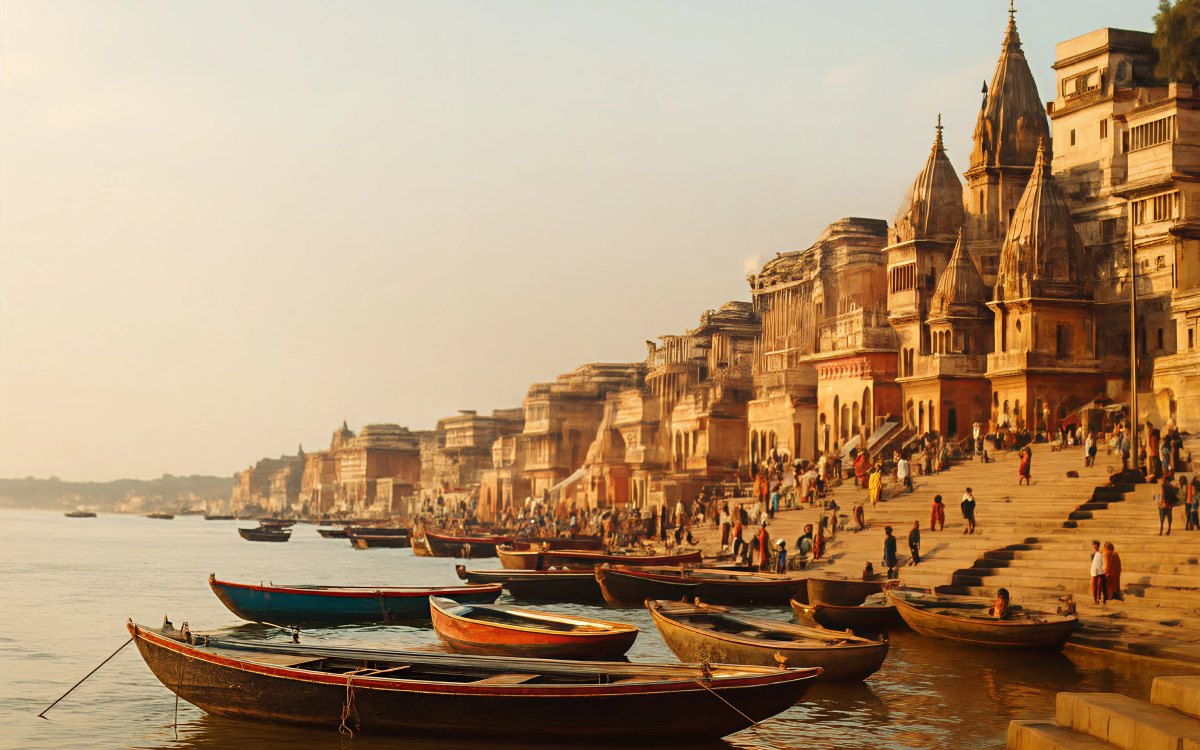
When you walk along the ghats early in the morning, you can observe how riverfront activity shapes ordinary routines. Vendors prepare tea stalls, boat operators negotiate fares and families gather for prayer ceremonies before beginning the day. These interactions create a sense of continuity that has survived despite urban expansion.
The riverfront also influences food culture and temporary markets. Seasonal fairs often introduce local snacks, handcrafted items and regional textiles to visitors arriving from nearby cities such as Kanpur, Meerut and Ghaziabad. This movement of people keeps the waterfront economically active beyond tourism alone.
Recent infrastructure improvements have made access easier while maintaining the importance of traditional gathering spaces. Public walkways, lighting systems and cleaner ghats have encouraged more residents to spend time near the river during evenings and weekends.
Kolkata and Howrah Along the Hooghly
Few riverfronts demonstrate urban energy as clearly as the Hooghly stretch connecting Kolkata and Howrah. The river has influenced trade, transport and settlement patterns for centuries, shaping one of the most active metropolitan regions in eastern parts of the country.
As you travel across Howrah Bridge or spend time near Prinsep Ghat, you notice how strongly the river remains tied to daily life. Ferries continue to transport commuters between both sides of the city, while flower markets and wholesale traders depend heavily on the surrounding transport network.
The riverfront also supports cultural activity. During festivals, the ghats become gathering points for ceremonies and public celebrations. Street food vendors, musicians and photographers create an atmosphere that changes throughout the day. Early mornings usually attract walkers and fitness groups, while evenings bring families and tourists to the promenade areas.
Kolkata and Howrah also carry strong architectural reminders of earlier trade networks. Colonial warehouses, old administrative buildings and riverside churches reveal how maritime commerce shaped urban growth over time. The port system remains significant for commercial activity across the wider Kolkata belt, including industrial and transport corridors connected to neighbouring regions.
Writers and historians often compare riverside life in Kolkata with waterfront districts in older trading cities such as Tehran, where rivers historically influenced settlement patterns, commerce and social interaction. Although the landscapes differ greatly, both locations demonstrate how waterways can remain central to urban identity even after rapid modernisation.
Jabalpur and the Marble Rocks of the Narmada
Jabalpur offers a riverfront experience that feels very different from large metropolitan centres. Here, the Narmada shapes both the natural landscape and the cultural rhythm of the city.
The Bhedaghat area, known for its marble rock formations, attracts visitors throughout the year. Boat rides through the narrow gorge provide close views of cliffs that change colour depending on sunlight and season. Local guides often explain legends connected to the river, turning the journey into both a visual and cultural experience.
Beyond tourism, the river supports fishing communities, religious ceremonies and local businesses. Markets near the ghats sell handcrafted stone items, snacks and regional souvenirs. These smaller economic activities help sustain livelihoods connected directly to riverfront movement.
You also notice how public spaces near the river encourage social interaction. Families gather during evenings, students spend time along viewing points and local performers occasionally entertain visitors near the waterfront steps.
Jabalpur’s river culture differs from larger urban centres such as Hyderabad or Chennai because the focus remains closely tied to natural geography rather than dense commercial development. This balance between landscape and community activity gives the city a distinctive character.
Ahmedabad and the Transformation of Urban Riverfronts
Ahmedabad demonstrates how riverfront development can reshape public life in a modern urban setting. The Sabarmati Riverfront project has changed the way residents interact with the city’s waterfront by introducing promenades, parks and organised recreational spaces.
When you visit the riverfront today, you see joggers, cyclists, families and food vendors sharing the same public areas. Events such as book fairs, cultural programmes and fitness activities regularly attract large crowds. The design encourages longer public use instead of limiting the river to transport or seasonal significance.
At the same time, Ahmedabad continues to preserve connections with older neighbourhoods located near the riverbanks. Historic markets and traditional housing clusters remain important parts of the city’s identity. This combination of redevelopment and continuity has made the riverfront one of the most active civic spaces in western regions.
The success of Ahmedabad’s riverfront planning has influenced discussions in other growing cities, including Indore, Nashik and Vadodara. Urban planners increasingly examine how waterfront areas can improve public access while supporting environmental management.
Kanpur and the Industrial Connection to the Ganga
Kanpur presents another perspective on riverfront culture. Unlike cities known mainly for tourism or heritage, Kanpur’s relationship with the Ganga developed strongly through industry and manufacturing.
Textile production, leather processing and trade routes once depended heavily on river access. Although modern infrastructure has changed transportation systems, the riverfront still influences local markets and residential areas.
You can observe this connection in older neighbourhoods where warehouses, trading points and religious sites stand close to one another. Ghats continue to attract residents for rituals and community gatherings, especially during festivals and seasonal events.
Efforts to improve river cleanliness and public accessibility have increased in recent years. New walkways and public projects aim to reconnect people with the waterfront while addressing environmental concerns linked to industrial activity.
Kanpur’s riverfront experience contrasts sharply with places such as Visakhapatnam or Chennai, where coastal life shapes urban identity more strongly than inland waterways. Yet the Ganga remains central to the city’s historical and cultural development.
Nashik and the Riverfront Festival Economy
Nashik’s riverfront activity centres largely around the Godavari River. The city becomes especially active during major religious gatherings, but the waterfront also supports daily commerce throughout the year.
The Ram Kund area functions as both a spiritual and social space. Visitors arrive for rituals, while nearby markets sell flowers, brassware and traditional sweets. Cafes and small eateries have also expanded in surrounding streets as domestic travel continues to grow.
Nashik’s location has helped it develop links with nearby urban centres such as Thane, Kalyan and Pimpri-Chinchwad. Weekend tourism from these cities contributes significantly to local business activity along the riverfront.
The city has also improved pedestrian infrastructure around key waterfront zones. Wider pathways, seating areas and organised traffic movement have made riverfront exploration more comfortable for visitors and residents alike.
Hyderabad and the Musi River Corridor
Although Hyderabad is more commonly associated with lakes and technology districts, the Musi River still carries historical significance. Earlier settlement patterns developed around the river, particularly near the Charminar area and old city neighbourhoods.
Bridges crossing the Musi connected trade routes and supported commercial growth during earlier centuries. Many traditional markets that continue operating today originally benefited from this strategic positioning.
Current redevelopment efforts aim to improve the river corridor through better drainage systems, green zones and public infrastructure. While the Musi does not function as a tourism-focused waterfront in the same way as Ahmedabad or Kolkata, it remains important for understanding Hyderabad’s urban evolution.
The city’s changing relationship with the river also reflects challenges faced by many expanding urban centres, including Bhopal, Faridabad and Solapur, where balancing growth with environmental management has become increasingly important.
Amritsar and Sacred Waterfront Spaces
Amritsar offers a different interpretation of riverfront culture through its sacred sarovar surrounding the Golden Temple complex. Although not a river in the traditional sense, the waterbody shapes spiritual practices, public movement and daily routines within the city.
Visitors often spend long periods walking around the marble pathway, listening to devotional music and observing reflections across the water. Community kitchens, volunteer services and prayer schedules all revolve around this central space.
The surrounding streets also support strong commercial activity. Restaurants, textile shops and accommodation providers depend heavily on visitor movement connected to the temple complex.
Like riverfront zones in Agra or Aurangabad, the area demonstrates how water-centred spaces can influence both emotional and economic aspects of urban life.
Conclusion
Riverfront destinations continue to shape culture, livelihoods and social interaction across many cities. Whether you explore the ghats of Prayagraj, the commercial stretches of Kolkata and Howrah or the scenic waterfronts of Jabalpur and Nashik, each location reveals a different relationship between communities and water. Cities such as Ahmedabad, Kanpur and Hyderabad show how riverfronts adapt to changing urban priorities while retaining historical relevance. These spaces remain important not only for tourism but also for transport, commerce, rituals and everyday gathering, making them central to how many people experience city life today.