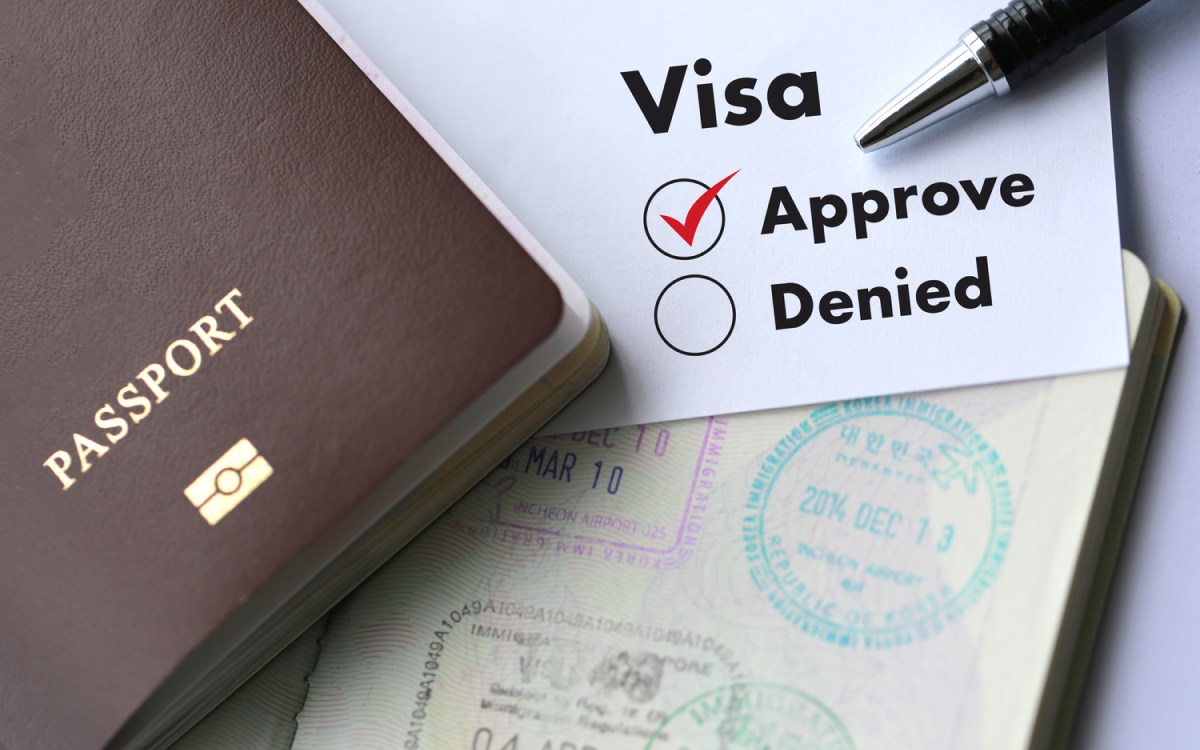
For Indian passport holders, building a strong travel record is one of the most practical steps towards smoother visa approvals in the future. Embassies and consulates around the world look at an applicant’s travel history as a key indicator of credibility, intent, and compliance with immigration rules. Yet this is also one of the most misunderstood aspects of the visa application process. Understanding how travel history is evaluated can make a significant difference to how applications are prepared and presented.
What Travel History Actually Means to a Visa Officer
Travel history refers to the record of countries you have previously visited, documented through passport stamps, entry and exit records, and previous visas. Visa officers use this record to determine whether you have travelled internationally before and complied with visa conditions, returned to your home country within the allowed time, and are a genuine tourist or business traveller rather than an immigration risk.
The central question a visa officer is trying to answer is simple: Will this person return home after their visit? A track record of previous international travel where the applicant consistently returned within the permitted period provides direct evidence to support a positive answer to that question.
But do note that travel history alone does not guarantee approval. Even repeat travellers can be refused if their application lacks strong ties to India and a clear travel purpose. Travel history is a supporting factor, not a substitute for the core elements of a strong application.
Not All Travel History Carries Equal Weight
A common assumption among first-time visa applicants is that any previous international travel strengthens their application equally. This is not accurate.
Not all travel is equal. Visits to countries with strict visa policies, such as the UK, Europe, Canada, and the USA, are valued more highly because they demonstrate that you successfully applied for a visa, were granted entry, and returned on time. A single trip to a visa-free destination is helpful but not as strong as a trip to a country where you had to apply for a visa and return.
This hierarchy matters because embassies are essentially looking at whether you have passed the scrutiny of other demanding immigration systems before. If you have a UK or US visa in your passport and used it without overstaying, that record carries considerably more weight than multiple stamps from visa-free destinations.
Travel history shows that the applicant is a genuine visitor and has complied with the immigration laws of the countries previously visited. Previous travel to the UK, US, Canada, Australia, New Zealand, and Schengen countries is extremely important when applying for visas to similarly developed nations.
How Travel History Affects Schengen Visa Applications
The Schengen visa is among the most commonly sought visas by Indian travellers, whether they are planning a trip to Europe or attending business meetings across multiple countries. The European Union introduced a structured approach to rewarding good travel history that directly benefits Indian applicants.
The EU’s cascade regime for Indian nationals, which became fully operational in 2024, creates a structured pathway to progressively longer Schengen visas based on travel history. After lawfully using two Schengen visas within three years, an applicant qualifies for a 2-year multiple-entry visa. After lawfully using that, they can receive a 5-year multiple-entry visa, provided the passport has sufficient remaining validity.
“Lawfully used” in this context means entering the Schengen area on the dates stated, not overstaying, returning on time, and not violating any visa conditions.
This system means that Indian passport holders who plan their early Schengen trips carefully and comply fully with the visa conditions are building towards a multi-year visa that effectively gives them access to Europe with minimal reapplication requirements. Applicants who have previously held Schengen visas and used them correctly should explicitly highlight this in their next application.
How Travel History Affects UK Visa Applications
The UK visa application asks for your travel history for the last 10 years. You must also submit your original passport that has the visas and stamps from your previous travels. Entry Clearance Officers look at previous travels to the UK and other visa-strict countries such as the US, Canada, Australia, New Zealand, and Schengen countries.
Someone who has taken annual holidays to the US, Europe, Canada, or Australia and returned home after every visit is more likely to be seen as a genuine tourist again. Travelling and returning home in the past also contributed to demonstrating significant ties to the home country.
For applicants who may not have an extensive international travel record, this does not mean a UK visa application is out of reach. It means the other elements of the application, particularly proof of strong ties to India such as employment, property ownership, and family responsibilities, need to be presented with greater care and detail.
How Travel History Affects US Visa Applications
The US B1/B2 visitor visa is one of the more intensive visa processes for Indian passport holders. The consular interview is a key part of the process, and the officer’s central concern is whether the applicant will return to India after their visit.
Prior travel history to the UK, Schengen countries, or Canada helps significantly when applying for a US visa, as does stable employment or business ownership. The consular officer’s main concern is whether you will return to India when the visa expires.
Having used previous visas responsibly is one of the clearest ways to demonstrate this. An applicant who has a UK or Schengen visa with stamps showing they entered and exited within the permitted dates is in a meaningfully stronger position than someone applying for their first international visa to the US with no prior travel record at all.
What If You Have No Travel History?
A clean passport with no international travel stamps is not an automatic reason for rejection. Having no travel history is not a rejection reason by itself, but it does mean you must compensate with stronger evidence of ties to your home country, such as stable employment, property ownership, or family responsibilities.
The practical advice for applicants without any travel history is to begin building it strategically before applying for the more demanding destinations. The best countries to start with are visa-free, visa-on-arrival, and e-visa destinations accessible with an Indian passport. This provides a foundation and builds confidence to travel more. After a few stamps, applying for a Schengen visa is a realistic next step. After Schengen travel, visa-strict countries like the US, Canada, and Australia become more accessible.
This sequential approach is particularly relevant for first-time international travellers who are planning their first tourism trips abroad and want to build a credible travel profile over time.