Natural landscapes often shape the identity of cities as strongly as architecture or trade. Places built around lakes, rivers, coastlines, and hills usually develop a visual character that feels calmer and more connected to the environment. Waterfront promenades, forested slopes, boating areas, and scenic viewpoints often become part of everyday urban life. Across different regions, several cities stand out for blending civic spaces with surrounding natural beauty, creating destinations where water bodies and greenery remain central to the overall atmosphere.
Bhopal and Its Expansive Lake System
Known for its interconnected lakes, Bhopal features broad stretches of water that influence both the scenery and the city’s layout. The Upper Lake and Lower Lake create open spaces surrounded by walking routes, parks, and residential neighbourhoods, giving several areas uninterrupted waterfront views.
Rocky terrain and green zones around the city add variety to the landscape without overpowering the calm appearance of the lakes. Morning mist across the water and evening reflections along the shoreline contribute to the city’s visual appeal. Public spaces near the lakes also support boating and leisure activities, making the waterfront an active part of daily life.
Srinagar Along Lakes and Riverbanks
Encircled by mountains and connected by waterways, Srinagar is closely associated with scenic lake views and riverside surroundings. Dal Lake remains the city’s best-known natural landmark, supporting floating markets, traditional houseboats, and wooden shikara rides.
Gardens and tree-lined promenades overlooking the water strengthen the city’s peaceful atmosphere. The Jhelum River also passes through several urban sections, adding another layer to the landscape. Seasonal changes in vegetation and snowfall continuously transform the city’s appearance, creating shifting natural scenery throughout the year.
Udaipur Framed by Scenic Reservoirs
Surrounded by artificial lakes and hills, Udaipur combines historic architecture with reflective waterfront scenery. Water bodies such as Lake Pichola and Fateh Sagar separate clusters of buildings and create broad visual corridors across the city.
Ghats, bridges, and lakeside structures maintain a close relationship with the surrounding landscape. Hills around the reservoirs provide elevated viewpoints where the city and lakes appear closely integrated. During quieter hours, the still water reflects palaces and stone buildings, enhancing the city’s scenic identity.
Jabalpur Near Marble Rocks and Flowing Water
Positioned along the Narmada River, Jabalpur is recognised for dramatic natural scenery shaped by cliffs, waterfalls, and river valleys. The marble rock formations near Bhedaghat create striking contrasts against the flowing water, especially during boat rides through narrow river sections.
Nearby waterfalls and forested terrain add depth to the landscape. Several areas around the river remain relatively open, allowing uninterrupted views of cliffs and water channels. The combination of stone formations and natural waterways gives the city a distinct visual character connected strongly to the surrounding geography.
Kochi Between Backwaters and Coastal Waters
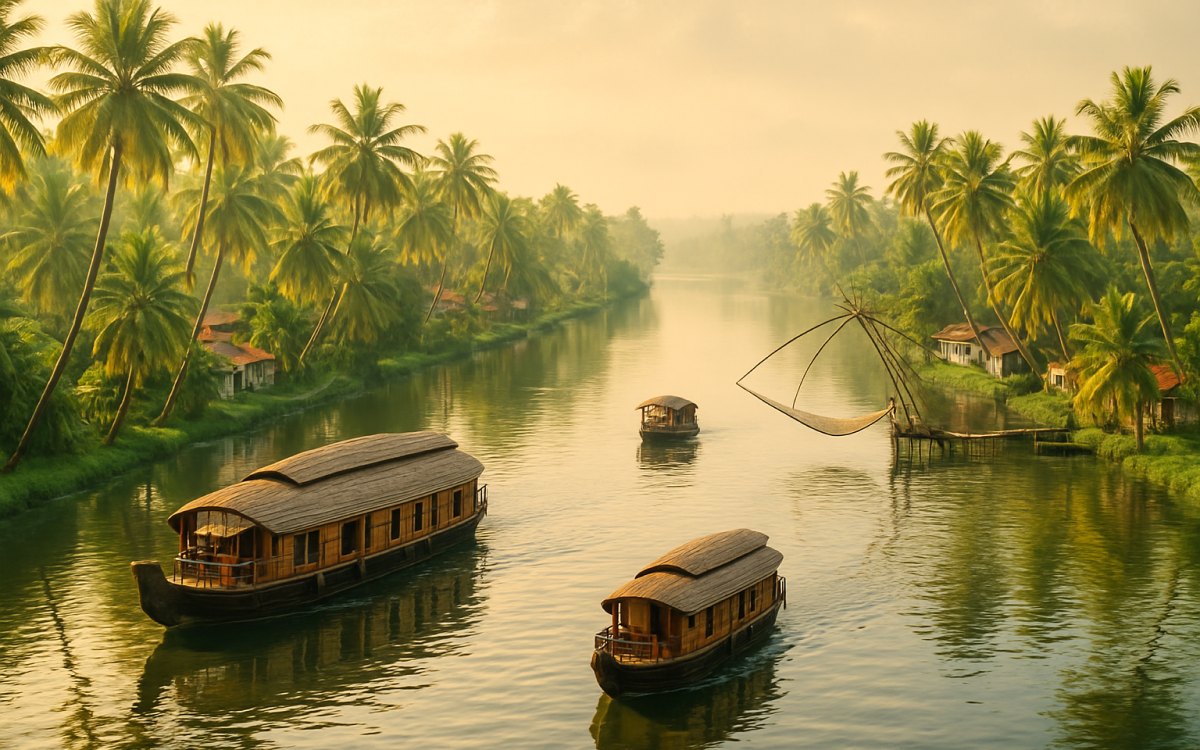
Spread across islands and waterways, Kochi reflects a close connection between urban life and surrounding water bodies. Backwaters extend through different parts of the city, linking residential districts, ferry routes, and harbour areas.
Traditional fishing structures and waterfront markets remain visible features across several coastal stretches. At the same time, tree-lined promenades and public spaces facing the sea contribute to the city’s relaxed visual atmosphere. The interaction between inland canals and coastal waters creates constantly changing scenery across the region.
Nashik Along a Historic Riverfront
Located beside the Godavari River, Nashik combines riverside landscapes with vineyards, hills, and green surroundings. Stone ghats and pathways along the river remain important public spaces used for routine activities and gatherings.
Outside the central city, reservoirs and rolling terrain add to the region’s natural appeal. Vineyards and agricultural fields surrounding several outskirts create visual contrast with the urban environment. Calm river views during early mornings and cooler evenings further strengthen the city’s scenic reputation.
Visakhapatnam Between Hills and the Sea
Visakhapatnam stands out for combining coastal scenery with elevated green terrain. Beaches stretch alongside long roads and promenades, while nearby hills overlook the Bay of Bengal and surrounding neighbourhoods.
Parks and landscaped coastal areas encourage outdoor activity without separating the city from the natural environment. Elevated viewpoints across the hills reveal broad sea views and curved shorelines. Despite being a major port city, several parts continue to retain open coastal scenery and visible natural contours.
Shillong Amid Forests and Waterfalls
Marked by rolling hills and high rainfall, Shillong features lakes, streams, and waterfalls integrated into the urban landscape. Wards Lake remains a central attraction surrounded by gardens and walking routes.
Pine-covered slopes and mist-filled valleys shape much of the city’s visual identity. Nearby waterfalls and forest stretches contribute to the region’s scenic atmosphere while preserving a strong connection with nature. Roads winding through green terrain create changing viewpoints across different parts of the city.
Guwahati Beside a Wide River Corridor
Situated along the Brahmaputra River, Guwahati combines river scenery with surrounding hills and forested areas. Several viewpoints across the city overlook broad stretches of water and green terrain extending beyond the urban core.
Riverfront spaces support ferries, temples, and open recreational areas while remaining visually connected to the natural surroundings. During calmer periods, reflections across the water and nearby hills create striking panoramic views. Wildlife reserves and protected green spaces near the city also contribute to the area’s environmental diversity.
Nainital Around a Mountain Lake
Built around a crescent-shaped lake, Nainital features steep forested slopes and layered mountain scenery. Roads, hotels, and marketplaces follow the curve of the water, ensuring that the lake remains visible from many parts of the town.
Boating areas and hillside viewpoints create varied perspectives across the valley. Dense greenery surrounding the lake softens the urban landscape and strengthens the region’s natural character. Even during busier travel periods, the combination of cool weather, forests, and calm water gives the town a balanced and scenic atmosphere.
The Lasting Appeal of Waterfront Landscapes
Cities shaped by lakes, rivers, coastlines, and hills often develop a distinctive atmosphere that feels visually open and environmentally connected. Water bodies influence public spaces, transport routes, recreational activities, and the overall appearance of urban environments.
From Bhopal and Jabalpur to Nashik and Visakhapatnam, these destinations demonstrate how natural scenery can remain central to city identity. Whether defined by river valleys, mountain lakes, coastal roads, or backwaters, such cities continue to attract attention for combining urban life with accessible and memorable natural beauty.