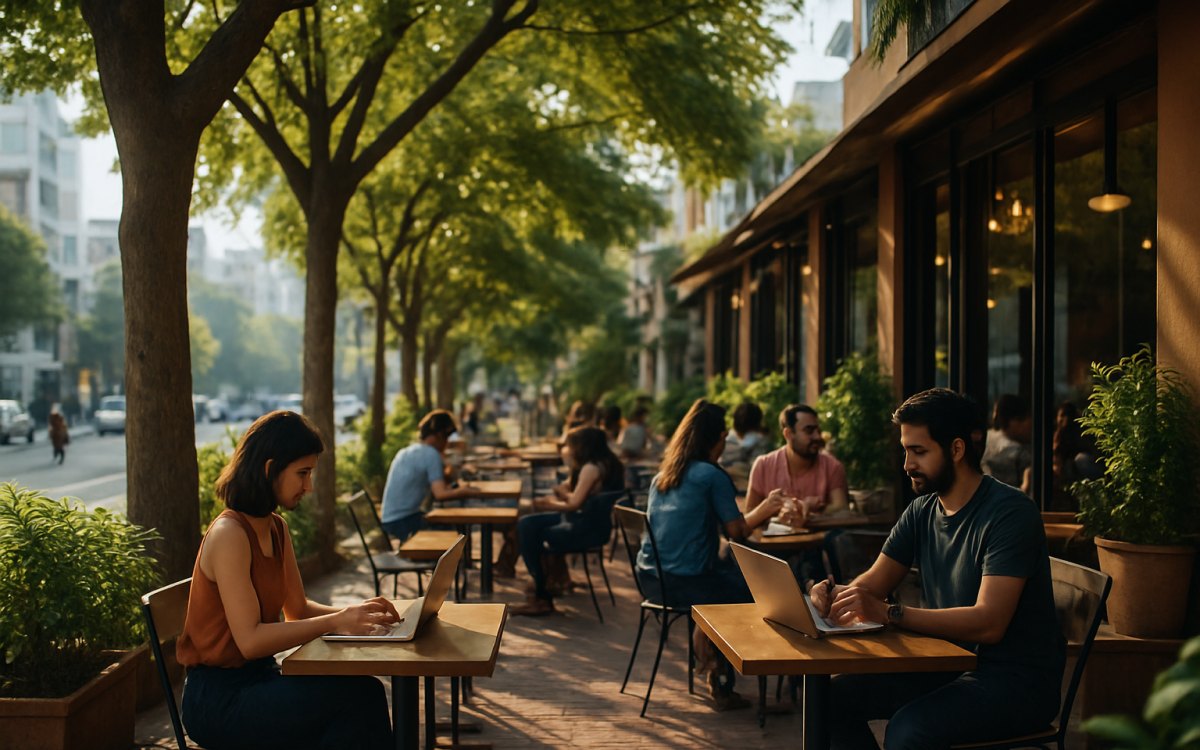
A city’s café culture tells you a great deal about how people live, socialise, and experience daily life. In the best café cities, coffee is not just a drink; it is part of the rhythm of the streets, the shape of neighbourhoods, and the way people spend time together.
Some cities are famous for their historic coffeehouses, while others are defined by modern speciality cafés, design-led interiors, and a habit of lingering over a cup rather than rushing through it. This list brings together classic café capitals, contemporary coffee hubs, and one Indian city and Tehran, which both add different layers to the story.
Vienna
Vienna is one of the world’s defining café cities, and its reputation is built on atmosphere as much as coffee. The traditional Viennese coffeehouse is a place of marble tables, newspapers, cakes, and long conversations that can stretch for hours without anyone feeling hurried.
What makes Vienna exceptional is that cafés are woven into the city’s cultural identity. They are places to read, write, meet friends, and reflect, which gives the city an unhurried elegance that travellers immediately notice. In Vienna, the café is not an accessory to the city; it is part of the city itself.
Lisbon
Lisbon has a café culture that blends old traditions with a younger, more contemporary coffee scene. On one street, a visitor might find a classic neighbourhood café serving an espresso and pastry, while around the corner sits a speciality roaster with a more experimental menu.
The city’s hills, trams, and tiled facades make café hopping feel like part of the sightseeing rather than a break from it. Lisbon works especially well for travellers who enjoy wandering between viewpoints, bookshops, and cafés, because the city’s pace naturally encourages that slower rhythm.
Tehran
Tehran has emerged as an important café city, especially among younger generations and urban professionals. Cafés have become social spaces where people meet, study, work, and spend time away from the pace and intensity of the city.
What makes Tehran especially interesting in a travel article is its contrast. It is a city where contemporary café culture sits alongside a deeply layered urban tradition, which gives the scene a distinctive character. Tehran’s cafés reveal a modern, social side of the city and show how coffee culture can become part of everyday urban expression.
Copenhagen
Copenhagen’s café culture is shaped by design, comfort, and a strong sense of everyday routine. Cafés here often feel calm and carefully considered, with interiors that are simple but welcoming, and coffee that is treated with real attention.
People use cafés for more than quick caffeine stops. They are places to meet, work, read, and watch the city go by, which makes them an important part of urban life. Copenhagen’s café culture reflects the city’s broader character: understated, polished, and quietly confident.
Istanbul
Istanbul bridges old and new in a way that gives its café culture special depth. Coffee and tea both play major roles in the city’s social life, and cafés often function as places where people linger, talk, and spend time rather than simply pass through.
The city’s layered history adds another dimension. In many neighbourhoods, a modern café may sit close to older streets, markets, and historic buildings, which makes the coffee experience feel tied to the city’s larger story. Istanbul’s cafés are not just about taste; they are about sociability and urban memory.
Melbourne
Melbourne is one of the most respected coffee cities in the world, and its reputation rests on skill, independence, and consistency. The city’s speciality scene is strong, baristas are highly trained, and neighbourhood cafés are central to the daily lives of residents.
What makes Melbourne stand out is the seriousness with which coffee is taken without the scene becoming stiff or exclusive. There is a clear sense of creativity and competition, but also of warmth and community. For travellers, Melbourne often feels like a city where the café scene is one of the best ways to understand local life.
Bengaluru
Bengaluru is the Indian city that belongs most naturally on a café-culture list. It has a strong coffee identity, a growing speciality scene, and a population that uses cafés as a normal part of daily life rather than an occasional indulgence.
The city’s mix of tech professionals, students, creatives, and long working hours has helped cafés become informal offices, meeting points, and neighbourhood anchors. Bengaluru’s café culture feels practical as well as social, which is part of its appeal. It is a city where coffee fits easily into both work and leisure.
Taipei
Taipei has one of the most inventive café scenes in Asia. Independent cafés are common, and many of them are stylish, thoughtful, and highly local in character. The city has embraced coffee in a way that feels contemporary without losing its sense of place.
What makes Taipei especially attractive is the range on offer. Visitors can find minimalist cafés, experimental roasters, and atmospheric spots designed for long stays. The café scene reflects the city’s broader openness to design and detail, which makes it a rewarding place for coffee-minded travellers.
Buenos Aires
Buenos Aires brings a different kind of café culture to the list, one rooted in history, conversation, and public life. The city’s historic cafés are part of its identity, and many of them have long been associated with literature, politics, and the arts.
That gives Buenos Aires an atmosphere that feels both grand and familiar. A café here is often a place to sit, observe, and stay awhile, which suits the city’s expressive character. For a travel feature, Buenos Aires is valuable because it shows how café culture can be as much about heritage and social habit as about the drink itself.
London
London earns its place through variety and scale. The city has thousands of coffee shops, and its café scene ranges from tiny independent espresso bars to large, design-led spaces and globally influenced speciality cafés.
Its real strength is diversity. Different neighbourhoods support different kinds of café culture, so London can feel fast, international, local, and highly creative all at once. For travellers, the city offers a coffee scene that mirrors its larger identity: broad, layered, and constantly changing.