When you travel through historic cities across the subcontinent, you notice how each era has left visible traces behind. Ancient trade routes, royal courts, colonial buildings, spiritual centres and craft traditions continue to shape daily life even today. As you walk through crowded bazaars, faded gateways and old riverfronts, you begin to understand how history survives through architecture, food, language and customs. Cities such as Agra, Ahmedabad and Kolkata offer far more than monuments. They help you see how centuries of exchange and movement created places with deep cultural memory.
Agra and the Legacy of Imperial Power
Agra remains one of the most recognised historic cities because of its close connection with the Mughal period. While many visitors arrive for the Taj Mahal, the city offers a much broader historical experience once you move beyond the usual tourist circuit.
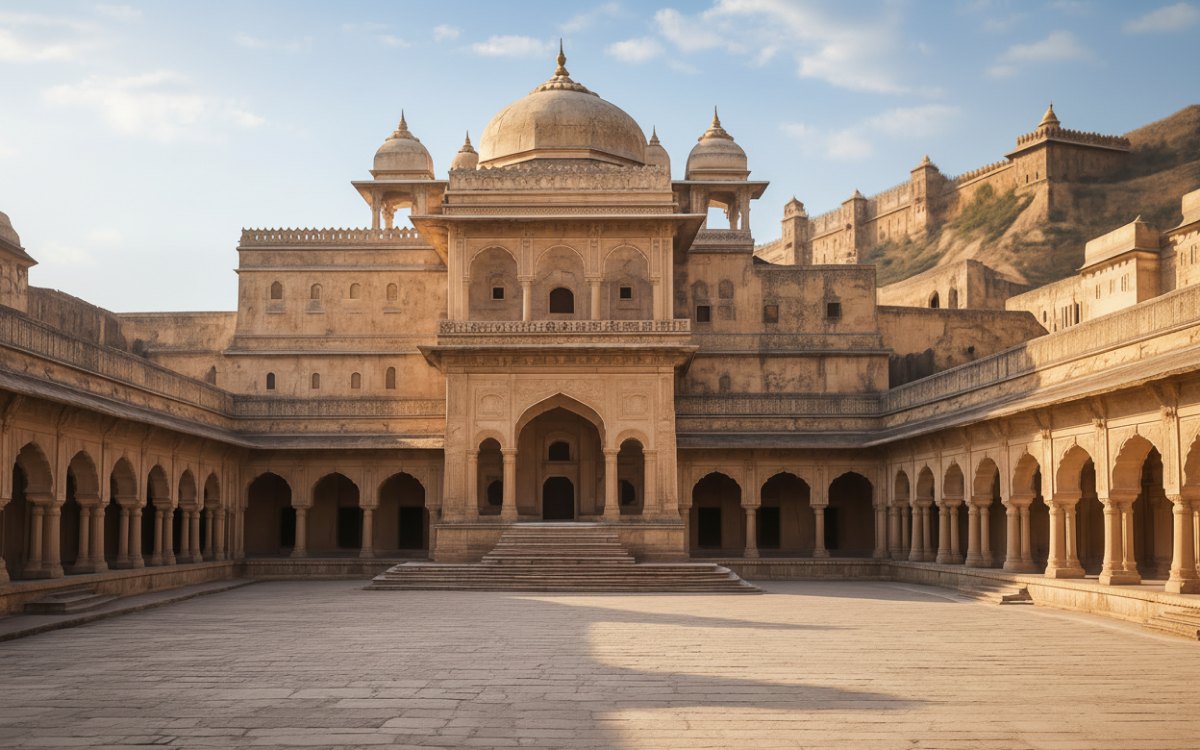
You can begin with the Agra Fort, where red sandstone walls reveal the military and political priorities of an earlier age. Inside the complex, you find audience halls, royal residences and courtyards that reflect changing architectural styles over time. The contrast between strong defensive structures and delicate marble work shows how rulers combined security with refinement.
The older neighbourhoods surrounding the fort also reveal another side of the city. Narrow lanes still contain workshops where artisans continue marble inlay work and leather craftsmanship. These skills have survived through generations and remain tied to local identity.
Agra also developed through trade connections that linked South Asia with Persia and Central Asia. Cultural influences moved across these routes in the form of art, textiles and cuisine. Historians often compare some decorative styles seen in Mughal buildings with motifs found in cities such as Tehran, where Persian artistic traditions flourished over centuries. This exchange shaped court culture in lasting ways.
If you spend time along the Yamuna River, you can also understand why earlier rulers selected this location for administration and commerce. Rivers supported transport, agriculture and urban expansion long before modern infrastructure appeared.
Ahmedabad and the Story of Merchant Communities
Ahmedabad offers a very different historical experience. Instead of focusing mainly on royal monuments, the city reveals how commerce, religion and community life shaped urban growth.
The old city area contains tightly packed pols, which are traditional residential clusters connected through narrow passages and shared courtyards. As you walk through these neighbourhoods, you notice intricately carved wooden facades, hidden shrines and bird feeders built into public spaces. These details show how social organisation once centred on cooperation and proximity.
Textile production played a major role in Ahmedabad’s rise as a commercial centre. Traders, weavers and business families helped establish economic networks that extended far beyond western regions. Even today, markets continue to reflect this long connection with fabric and craftsmanship.
You can also see how different faiths influenced architecture across the city. Mosques, stepwells and Jain temples stand within short distances of one another. Their designs reveal local adaptations rather than rigid separation. Stone lattice screens, geometric carvings and climate-sensitive construction methods show practical responses to weather conditions while maintaining artistic quality.
The Sabarmati riverfront presents a modern contrast to the historic core. Yet older structures still remain central to the city’s identity. Rather than treating heritage as something frozen in time, Ahmedabad continues to function as a living urban centre where old and new coexist every day.
Kolkata and the Layers of Colonial Urban Life
Kolkata provides insight into the colonial era and the social changes that accompanied it. The city grew rapidly under British administration and eventually became one of the most important urban centres in Asia during the nineteenth century.
As you move through areas such as Dalhousie Square and College Street, you can observe how educational institutions, administrative buildings and trading houses transformed the city’s role in commerce and governance. Many of these structures still operate today, although their surroundings have evolved considerably.
Kolkata’s tram network, book markets and riverside ghats continue to connect the present with the past. You can see traces of different communities that settled here over time, including Armenian, Chinese and Jewish groups. Their influence survives in food traditions, schools and places of worship scattered across the city.
The Hooghly River also shaped Kolkata’s development in important ways. Trade ships brought goods, labour and ideas from many regions. This movement created an urban culture that absorbed external influences while retaining local characteristics.
Writers, musicians and theatre groups contributed strongly to the city’s intellectual life. Public debates, publishing houses and educational reform movements all left their mark on neighbourhoods that still attract students and researchers today.
Even the city’s ageing buildings tell stories about changing priorities. Some former mansions now house offices or schools, while others survive as reminders of earlier economic wealth. Walking through Kolkata often feels like reading different chapters of urban history at the same time.
Aurangabad and the Routes of Medieval Trade
Aurangabad occupies an important place in the history of the Deccan region. The city became prominent during the Mughal period, but its surrounding landscape contains evidence from much earlier centuries as well.
One of the strongest examples is the nearby Ajanta and Ellora cave complexes. These rock-cut monuments reveal how Buddhist, Hindu and Jain traditions developed over long periods. Their carvings and murals provide valuable insight into religious practices, artistic methods and patronage systems.
Within the city itself, you can visit Bibi Ka Maqbara, often compared with the Taj Mahal because of its similar design approach. Although smaller in scale, the monument demonstrates how imperial architectural ideas travelled across regions.
Aurangabad also benefited from its position along trade routes linking northern and southern territories. Merchants transported textiles, metal goods and precious stones through these corridors. As commercial activity expanded, the city attracted craftsmen, administrators and scholars from different backgrounds.
Water management systems in and around the city reveal another important aspect of urban planning. Historic canals and reservoirs supported settlements in a region where climate conditions often required careful resource management.
Today, Aurangabad continues to attract visitors interested in both medieval history and ancient heritage. Its layered identity makes it an important stop for anyone trying to understand how regional powers shaped urban development across centuries.
Varanasi and the Continuity of Sacred Geography
Varanasi stands apart because of its long association with spirituality, ritual and learning. Few cities demonstrate continuity as clearly as this riverside settlement along the Ganges.
When you visit the ghats at sunrise, you witness activities that have continued for generations. Ritual bathing, prayer ceremonies and boat rides all form part of daily life rather than staged performances. The city’s rhythm depends heavily on the river and its sacred significance.
At the same time, Varanasi has historically functioned as a centre for music, philosophy and craft traditions. Silk weaving remains an important local industry, although machine production has changed aspects of the trade in recent decades.
The city’s lanes can appear chaotic at first, yet they reveal careful adaptation to dense settlement patterns built over centuries. Temples, homes, shops and rest houses exist within extremely compact spaces.
Varanasi also demonstrates how historic cities continue to evolve while retaining strong cultural continuity. Cafes, guesthouses and educational institutions now operate alongside long-standing religious establishments. This coexistence reflects the city’s ability to absorb change without losing its central identity.
Kanpur and the Industrial Chapter of Urban History
Kanpur represents another layer of urban transformation. Unlike cities known mainly for royal or sacred heritage, Kanpur grew significantly during the industrial period.
Textile mills, leather production and railway expansion turned the city into a major manufacturing centre during the nineteenth and twentieth centuries. Although many old mills no longer operate at full scale, their presence shaped neighbourhoods, labour movements and migration patterns for decades.
You can still identify colonial-era industrial architecture in parts of the city. Warehouses, railway structures and administrative buildings reflect the priorities of an economy focused on production and transport.
Kanpur also illustrates how rivers influenced industrial growth. The Ganges supported trade movement and access to resources, helping factories expand rapidly during earlier periods.
While the city faces modern urban pressures, its history remains important for understanding how industrialisation changed social and economic life across northern regions. Historic memory here is tied less to palaces and more to factories, workers and commercial networks.
Historic cities reveal far more than isolated monuments. They show how trade, religion, migration, craftsmanship and governance shaped urban life over many centuries. Whether you explore the royal complexes of Agra, the merchant neighbourhoods of Ahmedabad or the riverside traditions of Varanasi, each city offers evidence of constant change layered over older foundations. Kolkata, Aurangabad and Kanpur add further dimensions through colonial growth, medieval trade and industrial expansion. When you travel through these places carefully, you begin to understand how the past continues to influence everyday life in the present.