Western regions combine coastlines, desert stretches, hill retreats, heritage centres, wildlife reserves, pilgrimage towns, and modern urban spaces within a relatively connected travel circuit. This mix allows travellers to experience several landscapes, cuisines, architectural styles, and cultural traditions during a single journey. Cities such as Ahmedabad, Vadodara, Nashik, Aurangabad, and Solapur contribute to this variety through distinct local identities, while surrounding towns and natural locations expand the overall experience across the wider western belt.
Coastal Cities with Urban Energy
Large coastal centres remain among the most dynamic destinations in the western belt because they combine business districts, historic neighbourhoods, beaches, markets, and entertainment zones within one region. Mumbai attracts visitors with its waterfront promenades, colonial architecture, art spaces, and fast-moving metropolitan atmosphere. Nearby Alibaug and Ratnagiri introduce quieter coastal settings, fishing communities, and slower travel experiences that contrast with dense urban activity.
Further north, Goa blends beach tourism with heritage churches, local seafood traditions, riverfront villages, and inland forests. Although often associated with leisure travel, the region also includes museums, spice plantations, and old settlements that reflect several cultural influences. Coastal routes connecting these locations create varied experiences without requiring long internal travel distances.
Heritage Centres and Architectural Diversity
Several western destinations stand out because historic structures from different eras exist within close proximity. Ahmedabad presents a combination of old pol houses, mosques, stepwells, and contemporary urban development. The city’s traditional markets and textile heritage also add depth to its cultural identity. Vadodara offers palace architecture, public gardens, museums, and educational institutions that contribute to a balanced urban environment.
Aurangabad functions as an important gateway to monumental cave complexes and medieval forts located nearby. Travellers moving through the region encounter rock-cut architecture, religious heritage sites, and long-established craft traditions. Junagadh, Bhuj, and Patan further expand the architectural range through forts, palaces, gateways, and distinctive local construction styles shaped by climate and geography.
Unlike destinations focused on a single landmark, these centres provide layered experiences that combine daily life with preserved heritage spaces. Markets, food streets, and local festivals continue to operate around historic structures, helping visitors observe how older traditions remain connected with contemporary routines.
Hill Landscapes and Cooler Retreats
Western travel circuits also include elevated regions that offer relief from dense urban environments. Hill destinations such as Mahabaleshwar, Matheran, Saputara, and Mount Abu attract visitors seeking forests, viewpoints, walking trails, and moderate weather conditions. These locations differ considerably in character despite sharing similar terrain.
Mahabaleshwar combines strawberry farms, forest routes, lakes, and valley viewpoints, while Matheran remains known for restricted vehicle access and narrow pathways surrounded by greenery. Saputara introduces tribal cultural influences alongside lakeside tourism and hillside recreation. Mount Abu, situated within rocky terrain and wooded surroundings, balances religious sites with nature-based travel.
Road journeys connecting these elevated regions often pass through agricultural belts, vineyards, and small settlements, adding variety beyond the hill stations themselves. Nashik especially benefits from this regional setting because vineyards, pilgrimage sites, riverfront areas, and nearby mountain landscapes all contribute to its travel appeal.
Religious Routes and Spiritual Tourism
Pilgrimage destinations remain an important part of western travel diversity because they attract visitors from varied linguistic, cultural, and economic backgrounds. Temple towns, Sufi shrines, monasteries, and riverfront centres coexist across the region, often within short travel distances from commercial cities.
Nashik holds significance for river-based rituals and temple circuits, while Dwarka continues to attract pilgrims through coastal religious traditions. Ajmer combines spiritual travel with heritage tourism through its dargah, surrounding bazaars, and nearby historic landmarks. Palitana, known for its hilltop temple complexes, adds another dimension through architectural scale and devotional activity.
Solapur contributes to this network through religious centres, textile connections, and regional trade activity. Many visitors travelling between larger cities pass through Solapur because it serves as a link between pilgrimage routes and commercial corridors. This steady movement of travellers supports local food traditions, transport networks, and small businesses connected with tourism.
Rather than functioning as isolated religious sites, these destinations often intersect with markets, craft centres, and natural attractions. Travellers therefore experience both spiritual and cultural elements during the same journey.
Wildlife Regions and Natural Variety
The western belt includes several ecosystems ranging from dry forests and grasslands to coastal wetlands and mountain habitats. Wildlife destinations strengthen regional diversity by introducing landscapes that differ sharply from nearby urban or heritage zones.
Gir is recognised for its protected forest environment and distinctive wildlife population, while the Little Rann of Kutch presents salt flats, migratory bird habitats, and open desert scenery. Marine ecosystems near coastal areas support birdwatching and estuary tourism. Inland reserves such as Tadoba and smaller sanctuary regions attract visitors interested in forest-based travel experiences.
Seasonal variations influence how these landscapes appear throughout the year. Some destinations become greener during rainy periods, while desert areas reveal striking contrasts through dry terrain and expansive horizons. Photography, guided safaris, and eco-tourism activities therefore form an important part of travel planning across western regions.
Natural diversity also shapes local livelihoods. Fishing, handicrafts, farming, salt production, and vineyard cultivation all connect closely with regional geography. Travellers moving between destinations frequently notice changes in food ingredients, architecture, and transport patterns influenced by the surrounding environment.
Food Traditions Across the Region
Cuisine forms another major reason why western destinations remain highly varied. Coastal communities rely heavily on seafood preparations and coconut-based flavours, while inland regions introduce millet dishes, spicy curries, sweets, and vegetarian specialities shaped by local agricultural practices.
Street food culture remains particularly strong in Ahmedabad and Mumbai, where snacks, sweets, and regional dishes are widely available through markets and roadside stalls. Vadodara contributes distinctive savoury foods and traditional confectionery, while Nashik combines local produce with vineyard-linked dining experiences.
In Kutch and desert regions, food often reflects climatic conditions through preserved ingredients and robust flavours suited to dry environments. Goa introduces Portuguese-influenced preparations alongside coastal cuisine, creating another contrast within the wider western travel network.
These culinary differences help travellers recognise how geography, trade routes, migration, and local farming practices influence everyday eating habits. Food therefore becomes closely linked with the broader cultural identity of each destination rather than functioning only as a tourism feature.
Transport connectivity further supports multi-destination travel across the western corridor. Major highways, rail routes, regional airports, and coastal roads make it possible to combine metropolitan centres with smaller heritage towns during the same itinerary. Travellers can move between desert districts, vineyard belts, seaside settlements, and forest regions without major changes in language or accessibility. This convenience encourages longer regional journeys instead of single-city visits. As a result, western destinations appeal to families, cultural tourists, photographers, and visitors seeking varied experiences within manageable travel distances.
A Region Defined by Contrasts
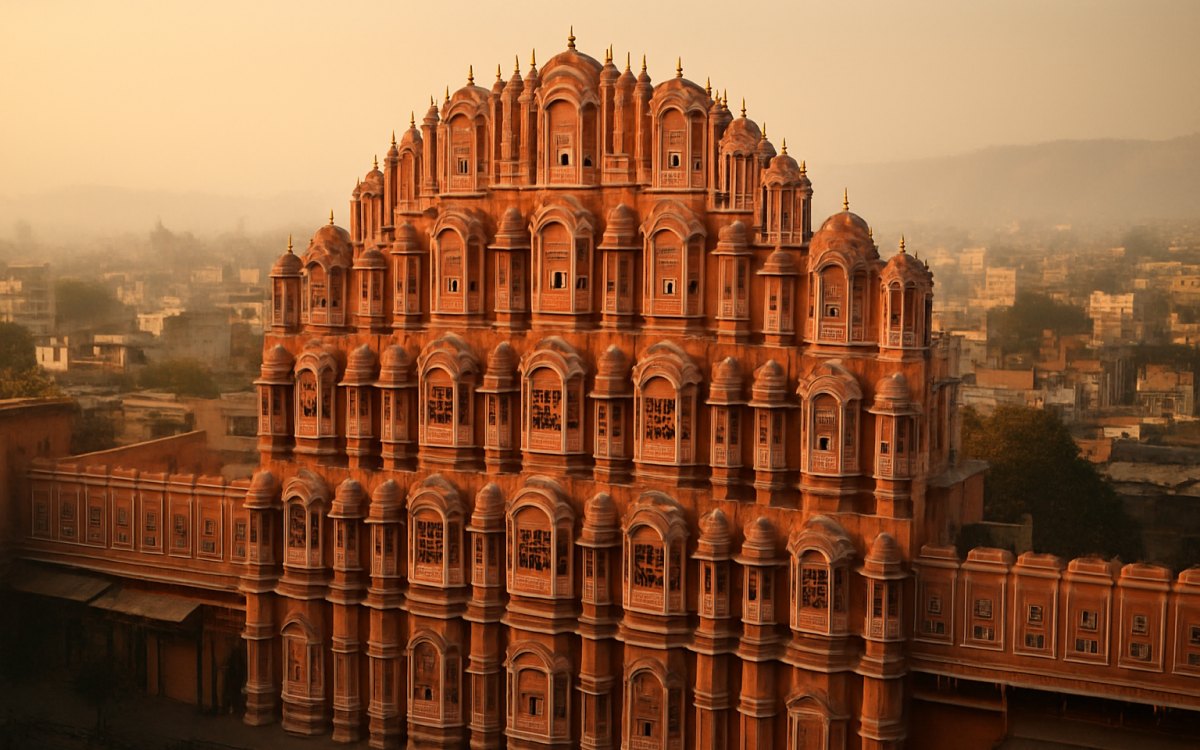
Western travel destinations remain distinctive because urban centres, sacred towns, coastal belts, forests, vineyards, deserts, and hill landscapes all exist within one connected region. Travellers can move from historic streets in Ahmedabad to beaches in Goa, vineyard routes near Nashik, breathtaking royal architecture in Jaipur, palace districts in Vadodara, cave heritage near Aurangabad, and pilgrimage-linked trade centres such as Solapur without losing the broader sense of regional continuity.
This combination of geography, architecture, cuisine, religion, and local traditions allows the western belt to offer varied experiences while maintaining strong cultural connections across its many destinations.